
Tankless water heaters, endless hot water.
The last shower of the morning deserves the same hot water as the first. We install Rinnai and Rheem on-demand systems and handle tank-to-tankless conversions the right way: gas supply sized, venting engineered, condensate managed, and the exact price in writing before work begins.
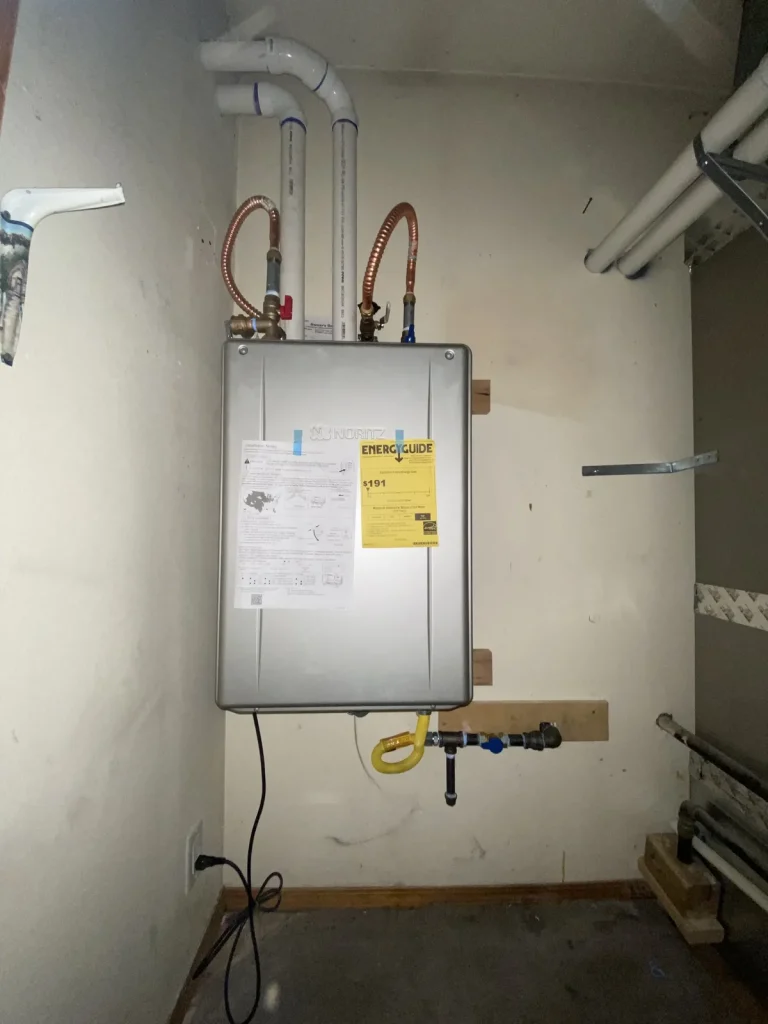
The conversion is the craft.
Swapping a worn tank for a new tank is routine work. Converting that tank to a tankless system is a different project entirely, and it is where the quality gap between installers shows up. An on-demand unit fires a burner several times larger than the one in your old tank, vents differently, drains differently, and hangs on a wall instead of sitting in a pan.
Cheap conversions skip the engineering. The new unit gets hung wherever the tank used to sit, the gas line stays whatever size it was, and the old vent gets adapted instead of replaced. The result is a premium appliance that starves for gas at full demand, struggles in cold weather, or fails early and voids its own warranty. We scope all four conversion problems before we quote: gas supply, venting, condensate, and placement. That is why the quote is exact, in writing, and holds.
Timing matters too. Planning a bathroom or kitchen project? Folding the conversion into your remodel plumbing while walls are open is often the cleanest route. And if a like-for-like tank replacement is honestly the better fit for your home, our water heater service covers repair and replacement without the upsell.
- Exact, guaranteed price in writing before work begins
- Permits filed for you
- Installed to manufacturer spec so the warranty holds
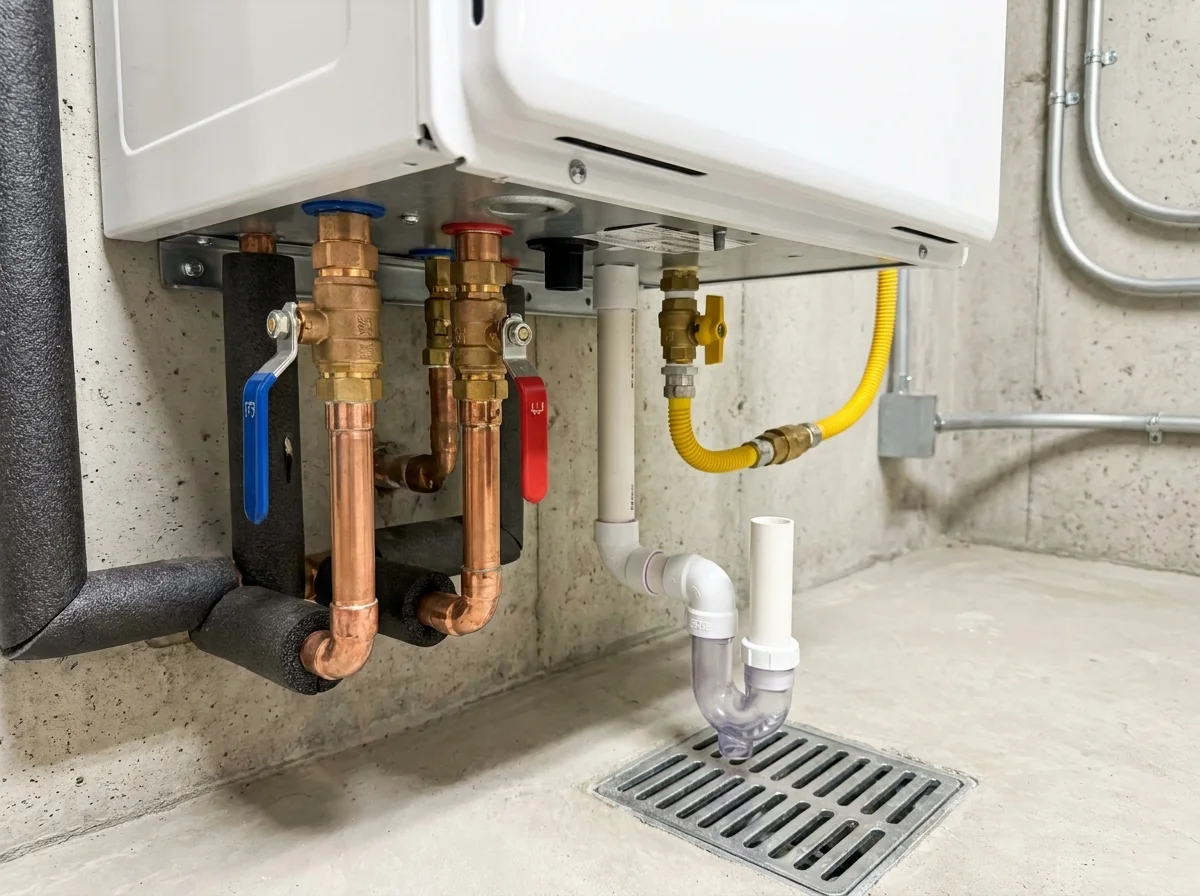
Gas supply sizing
On-demand burners draw far more gas in the moment than a standing tank. We verify meter and line capacity before anything is promised.
Venting done right
Tankless venting is its own system, not an adapter on the old flue. We route and terminate it to manufacturer spec.
Condensate handled
High-efficiency condensing units produce acidic condensate. It gets a code-correct drain path, not a drip and a hope.
Placement that serves you
Mounted where service access, venting, and pipe runs all make sense, not just where the old tank happened to stand.
Two ways to heat water, compared honestly.
Neither option is right for every home, and anyone who tells you otherwise is selling something. Here is how the two actually stack up.
| What matters | Traditional tank | Tankless on-demand |
|---|---|---|
| Upfront cost | Lower to buy and install | Higher, because a true conversion covers gas, venting, and condensate work |
| Typical lifespan | Typically 10 to 12 years | Typically 20 years or more with annual descaling |
| Footprint | Floor-standing tank plus required clearance | Wall-mounted, roughly the size of a carry-on suitcase |
| Hot water supply | Stores a fixed number of gallons; back-to-back showers can outrun it | Continuous for as long as a tap runs, limited only by flow rate |
| Energy use | Keeps stored water hot continuously, used or not | Heats water only in the moment a fixture calls for it |
| Maintenance | Annual drain and flush | Annual descale to protect efficiency and the manufacturer warranty |
Upfront and operating numbers depend on your gas service, venting path, and hot water habits, so we quote each home individually. For real local figures, read our breakdown of what a water heater replacement costs in Portland. The short version: a tank costs less on day one, while a tankless typically earns the difference back over a service life that runs about twice as long.
What we size for
- Fixtures that realistically run at the same time
- Winter inlet water temperature, not summer specs
- Gas meter and line capacity
- Wait time at the farthest tap
Rinnai
The proven line we reach for first: reliable heat exchangers, strong parts availability, and models from compact closets to high-demand households.
Rheem
High-efficiency condensing models we quote alongside Rinnai, so you can compare real numbers for your home instead of taking anyone’s word for it.
Sized for a Portland January, not the brochure.
A tankless unit is rated in gallons per minute, and that rating is only half the story. The other half is the temperature of the water coming in. The colder the inlet, the more work each gallon takes, and the fewer gallons per minute the unit can deliver at shower temperature. Portland inlet water runs far colder in winter than in summer, so a unit that handles your household in July can come up short in January. We size for the cold months on purpose.
The demand side is a simple, honest conversation: what actually runs at the same time in your home? One shower at a time is a modest load. Two showers, a dishwasher, and a laundry cycle on a school morning is a serious one. We match that real-world picture to the right Rinnai or Rheem model, then confirm your gas supply can feed it before anything is ordered.
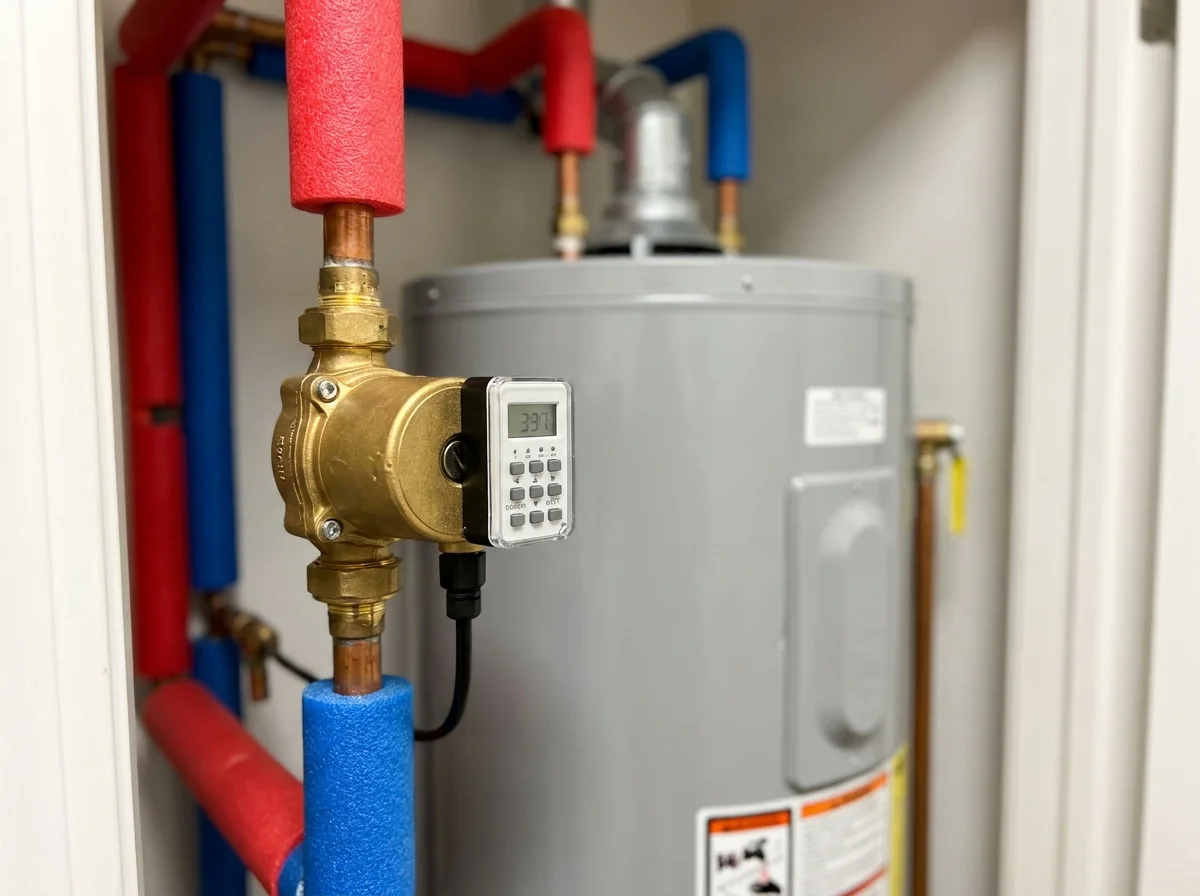
One pairing worth planning while the system is open: a hot water recirculation loop. The tankless unit means hot water never runs out; the loop means it arrives at the farthest bathroom in seconds instead of after a long, wasteful wait. The conversion visit is the natural time to add one.
Energy Trust of Oregon rebates
Qualifying high-efficiency tankless equipment commonly earns an Energy Trust of Oregon rebate in the $150 to $500 range. Programs change, so we confirm the current rebate for the exact model in your quote during your free consult.
A twenty-year appliance, if you treat it like one.
Every gallon a tankless unit heats leaves a trace of mineral behind in the heat exchanger. Portland’s Bull Run supply is on the softer side, but parts of the east metro, including Gresham, moved to groundwater in 2026 and carry more mineral content. Either way the buildup is gradual, and the fix is the same: an annual chemical descale that restores efficiency and keeps the manufacturer warranty valid.
Isolate
Service valves shut the unit off from the rest of the house, so the work stays contained.
Circulate
Descaling solution pumps through the heat exchanger until the mineral buildup is dissolved.
Inspect
Inlet screen, venting, and the condensate path get checked while the solution does its work.
Verify
We confirm steady output temperature and strong flow at the tap before we call it done.
We service what we install, and our conversions include the isolation valves that make an annual descale a quick visit instead of a project. Already running a tankless someone else put in? We descale and repair those too.
Tankless questions, straight answers.
Is a tankless water heater worth it for my house?
Can any home convert to tankless?
How long does a tank-to-tankless conversion take?
What maintenance does a tankless water heater need?
Do you service tankless units you didn’t install?
More questions? Browse every answer on our FAQ page.
Services that pair with a conversion
Water Heaters
Tank repair, replacement, and honest repair-or-replace advice.
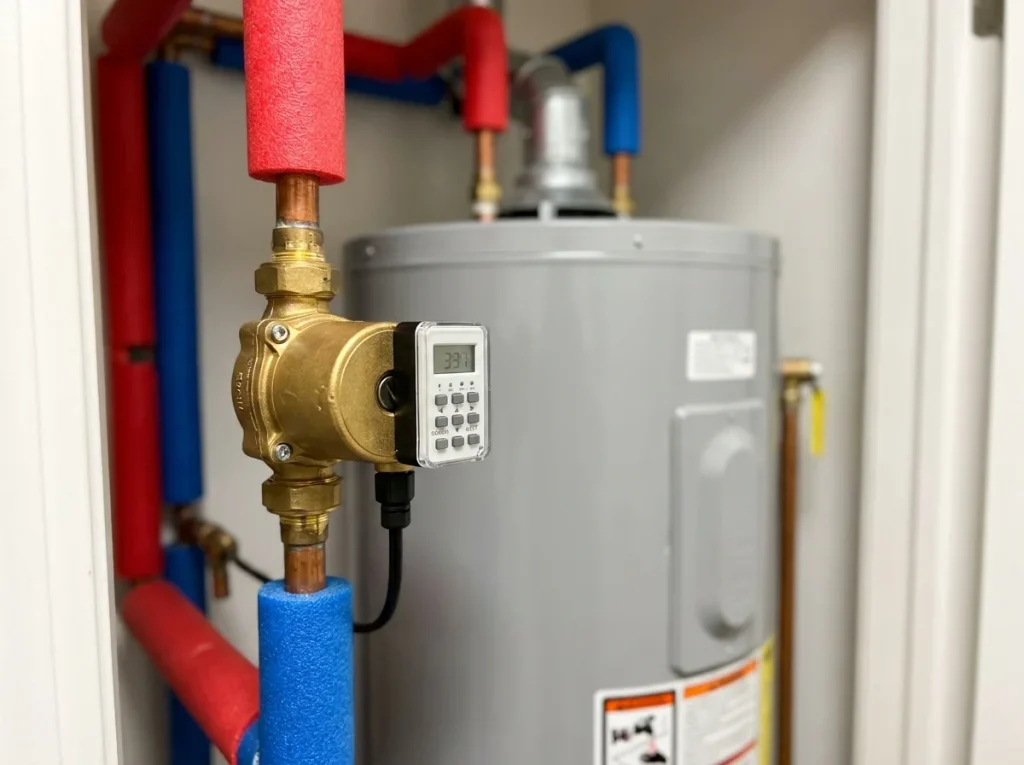
Hot Water Recirculation
Instant hot water at the farthest tap, no more running the faucet.
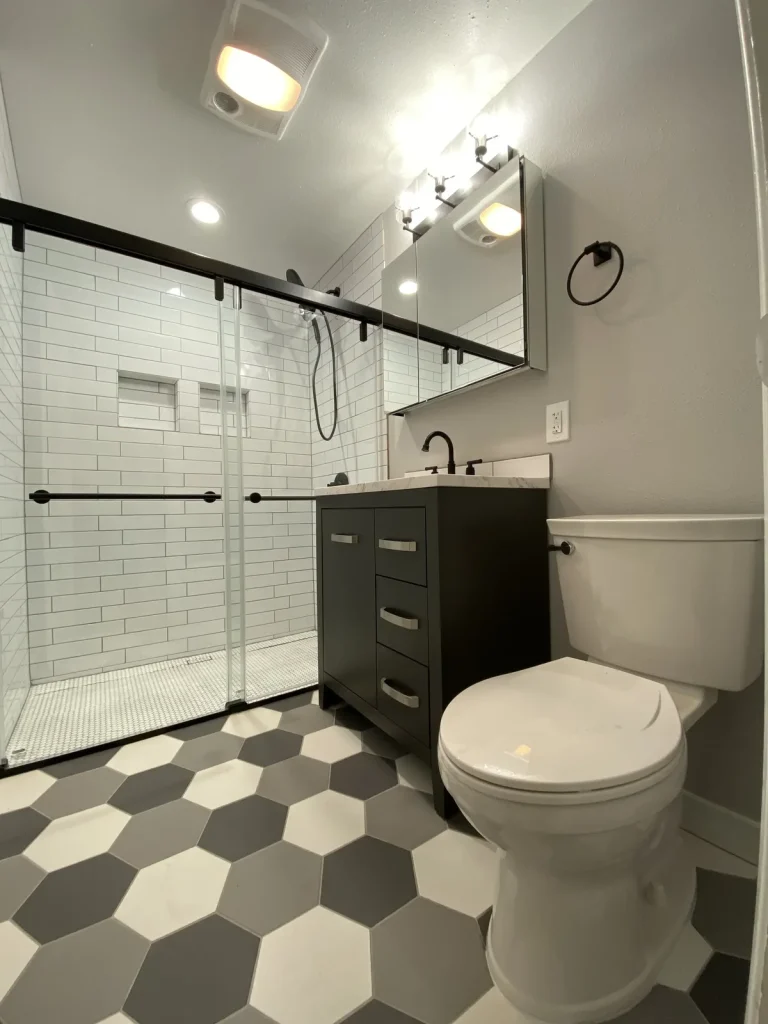
Remodel Plumbing
Bathroom and kitchen remodel plumbing, permits included.
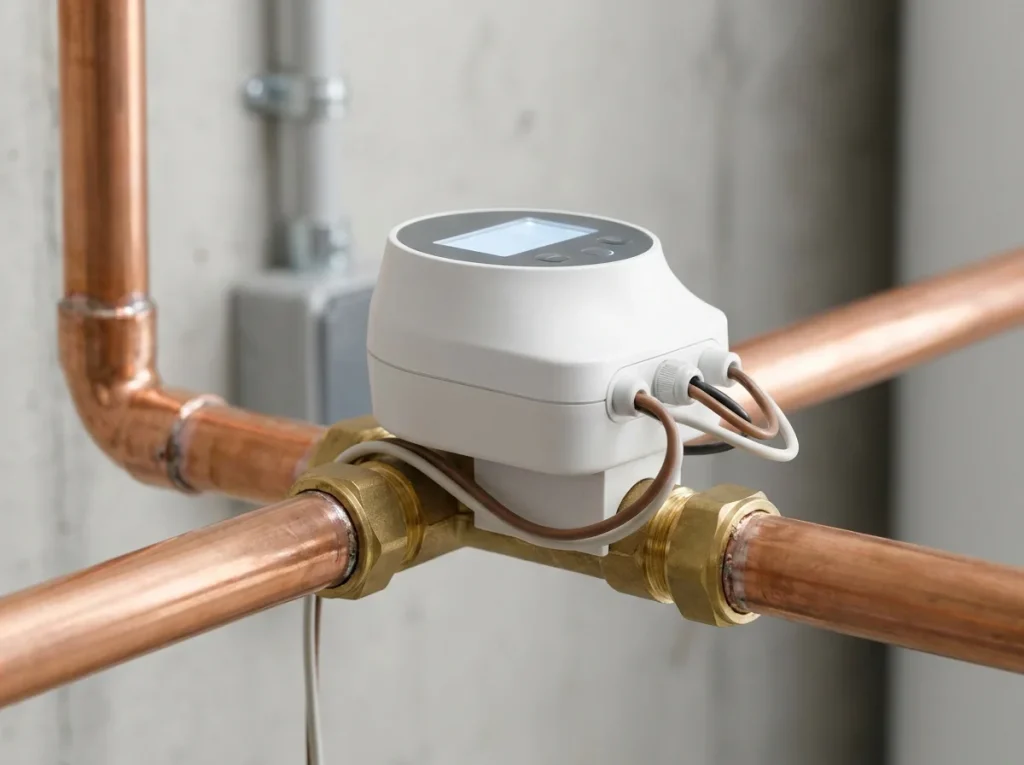
Smart Leak Shutoff
Moen Flo and Phyn monitors, professionally installed on your main line.