
Tame the pressure before it breaks something.
High water pressure feels like a great shower right up until a supply line lets go. If your pipes bang, your water heater’s relief valve drips, or washer hoses keep failing early, the pressure reducing valve on your main line is the first suspect. Panda Plumbing gauge-tests your home, replaces or resets the PRV, and verifies the number before calling it done.
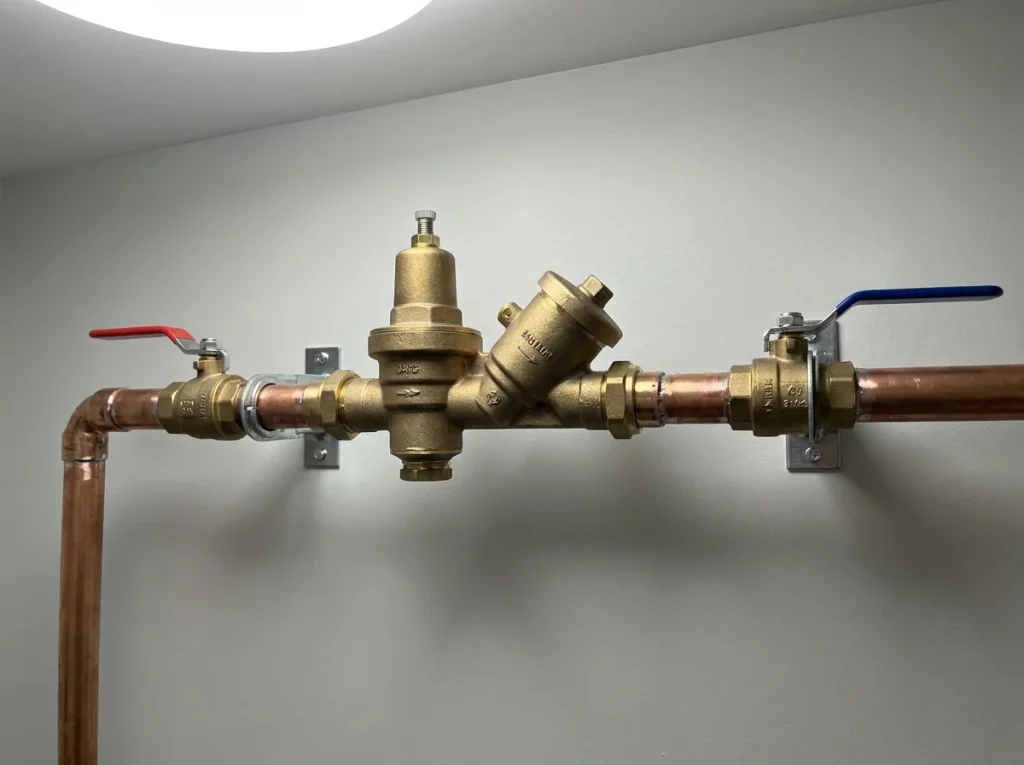
High pressure leaves fingerprints all over the house.
City pressure is set to move water through the whole system, not to be kind to your fixtures. Depending on where your home sits relative to the mains, water can arrive at 90 psi or more. High water pressure rarely causes one dramatic failure. It causes a pattern of small, expensive ones.
Some tells are loud, like the bang of pipes when the washing machine valve snaps shut. Others are quiet: a relief valve dripping at the water heater, hoses failing years ahead of schedule, a faucet that whistles as it fills. And plenty of homes only show it by time of day, with showers normal in the evening and harsh at dawn, because street pressure climbs overnight while neighborhood demand is low.
Each symptom has its own cheap patch, and none of them hold, because the root cause is the pressure itself. A pressure reducing valve, also called a water pressure regulator, is the brass gatekeeper on your main line that turns whatever the street delivers into a steady, reasonable number. When it wears out, the whole chorus starts up again.
Five tells of a failing PRV
- Banging pipes. Fast-closing appliance valves slam moving water to a hard stop.
- A dripping T&P valve. The water heater’s safety valve weeps when pressure runs high.
- Blown washer hoses. Supply lines that fail years early are strain made visible.
- Whistling fixtures. Water forced through valves faster than they were built for.
- Pressure that swings by the hour. Gentle at dinnertime, harsh overnight and at dawn.
Set with a gauge, proven with a gauge.
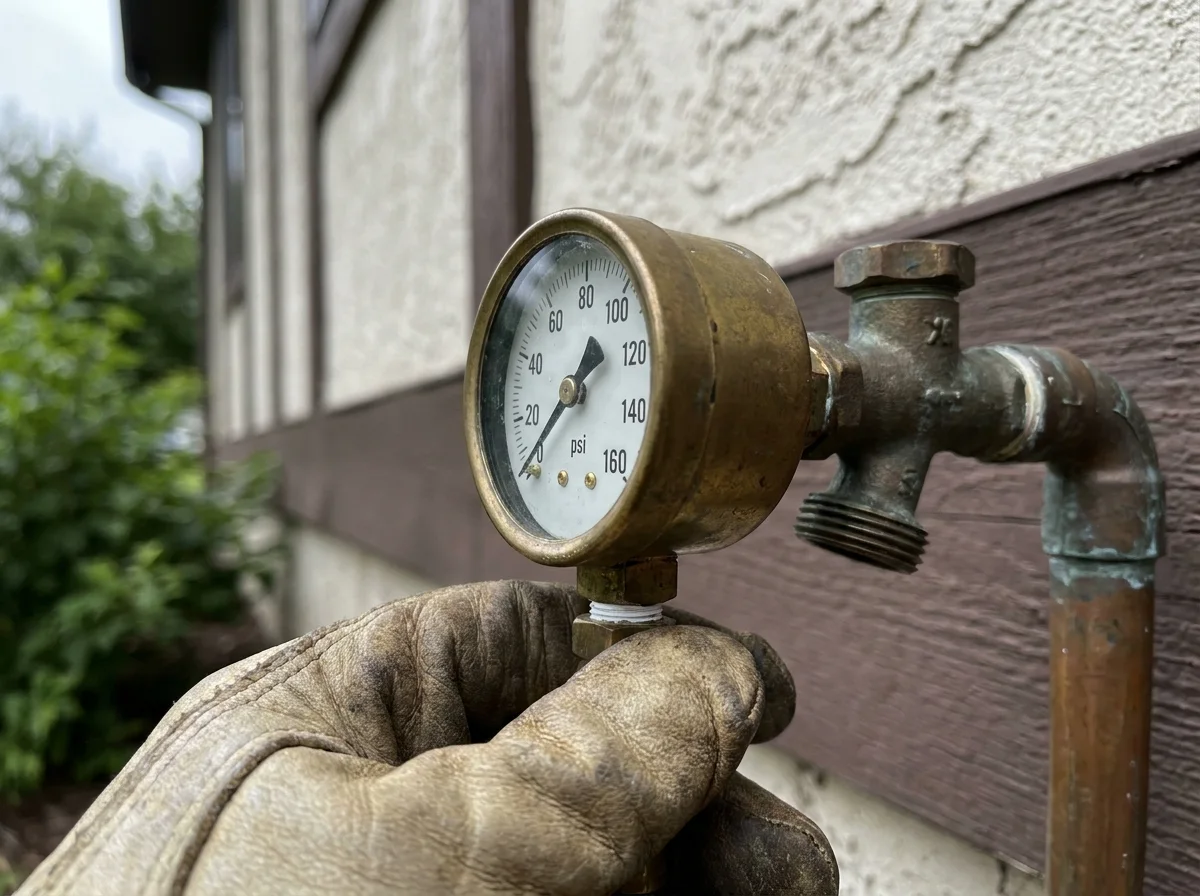
Pressure is one of the few plumbing problems with a definitive test, so we use it at both ends of the job. The visit starts with a gauge on a hose bib to read exactly what the street is delivering, noted with the time of day, since readings move as neighborhood demand rises and falls. Plumbing code generally requires regulation when street pressure exceeds 80 psi, and plenty of homes measure past that line without a single dramatic symptom yet.
If the gauge confirms a failed valve, or your home never had one, pressure reducing valve replacement is a same-visit job: the new PRV goes in on the main line, set typically to a safe residential range that keeps showers strong while sparing every hose, fill valve, and appliance connection. Then the gauge goes back on to verify the setting, and we check the thermal expansion tank at your water heater. A regulated home is a closed system, heated water needs somewhere safe to go when it expands, and a missing or waterlogged expansion tank quietly undoes what a new valve just fixed.
Valve work tends to travel in pairs. If your irrigation system needs a double check assembly, we handle backflow preventer installation in the same visit.
The visit, start to finish
-
01
Gauge test
A real reading at the hose bib, so the diagnosis starts from evidence rather than a hunch.
-
02
Exact quote
A guaranteed price in writing before your water is ever shut off.
-
03
Replace and set
The new valve goes in on the main line and gets dialed in.
-
04
Verify and protect
The gauge confirms the final number, and the expansion tank gets checked too.
Low water pressure is a different diagnosis
High pressure has one usual suspect. Low pressure has three: a PRV that failed in the stingy direction, galvanized pipe that has spent decades closing itself off with corrosion, or a main water line leaking quietly under the yard. Guessing wrong wastes money, so our guide to low water pressure in Portland walks the exact checking order a plumber follows. When the piping itself is the culprit, that is whole-house repipe territory. When it is the buried line, see main water line replacement.
The pressure questions that come up on every gauge test.
What pressure should my house be at?
How long do pressure reducing valves last?
Why do my pipes bang?
Can a PRV fix low water pressure?
More questions? Browse every answer on our FAQ page.
Other work on the supply side
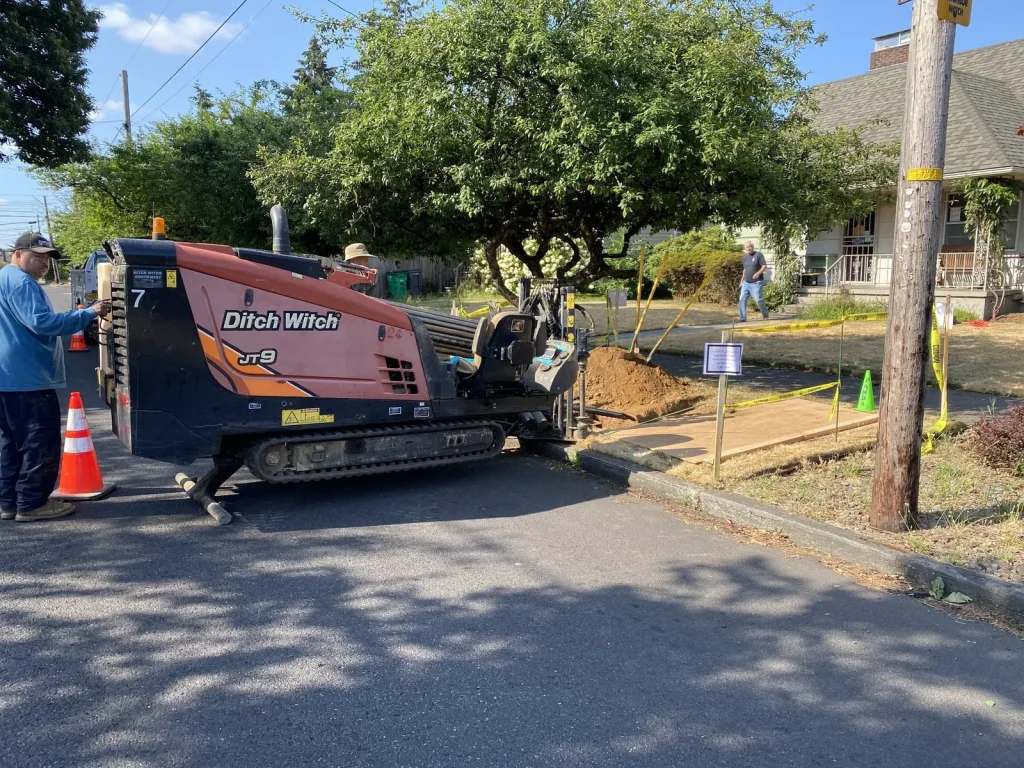
Main Water Line Replacement
Failing service lines replaced from meter to foundation, trenchless where the site allows.
Backflow Preventers
Double check assemblies for irrigation and fire lines, installed and replaced to spec.
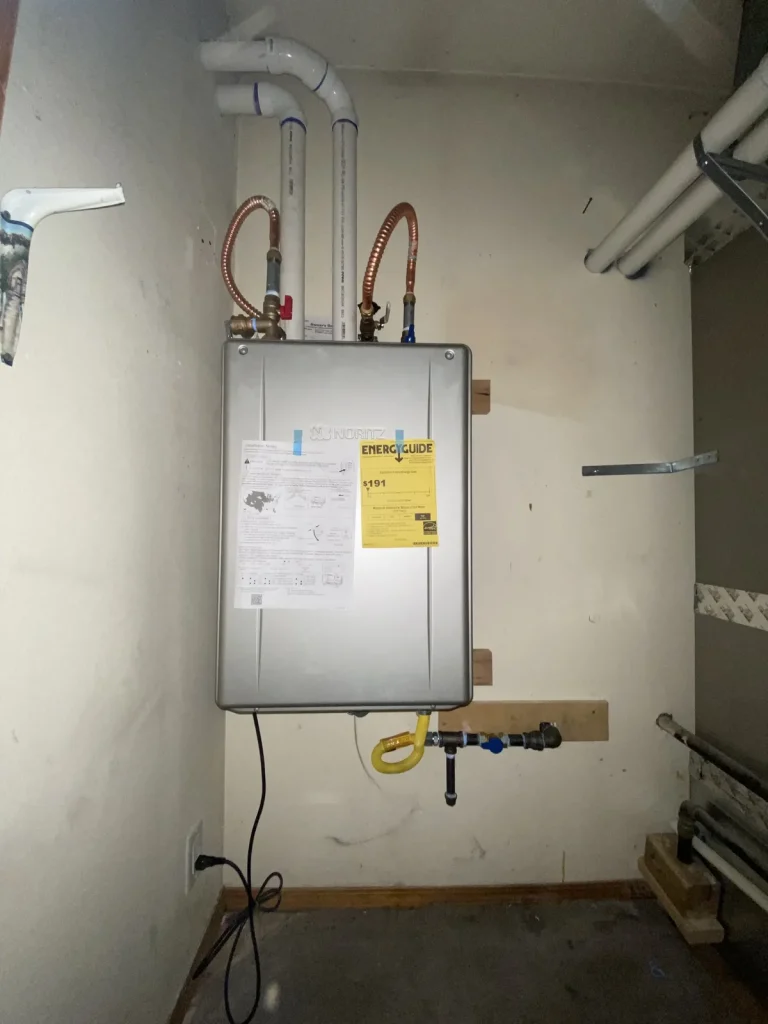
Water Heaters
Honest diagnostics, exact quotes, and installs with every code item in place.
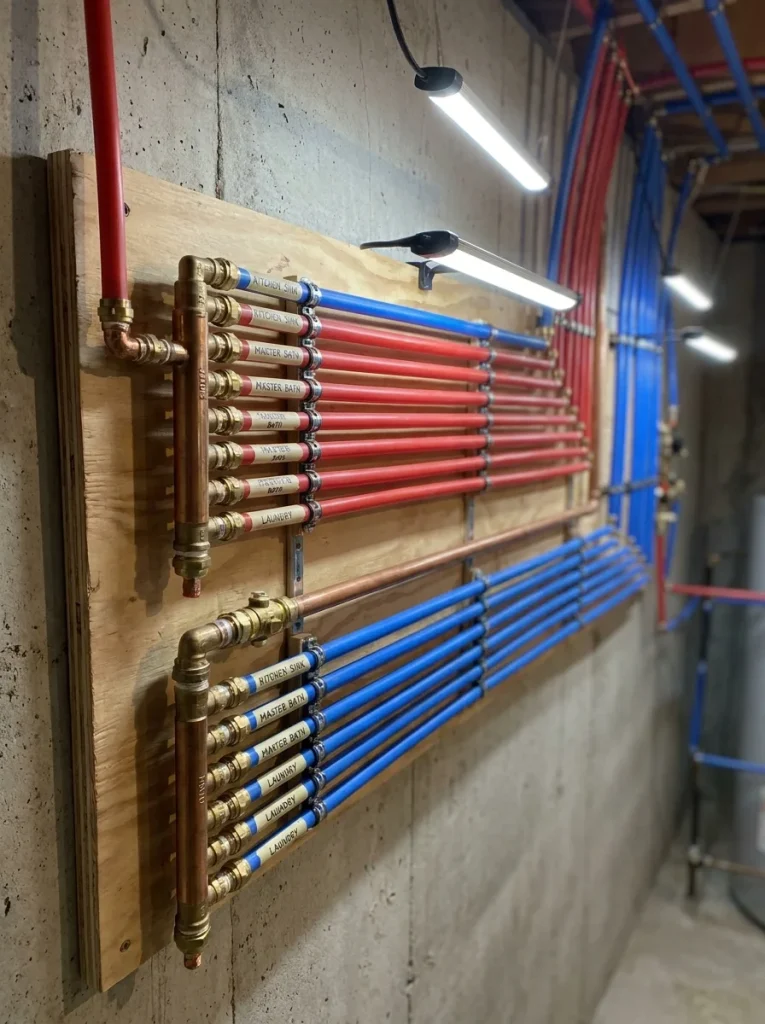
Whole-House Repiping
Corroded galvanized swapped for labeled PEX or copper that flows like new.