
Hot water in seconds, at every tap.
Somewhere down the hall a shower is running with nobody in it, because the hot water has not arrived yet. Every one of those waits sends clean water down the drain and a slice of your morning with it. Panda Plumbing installs hot water recirculation systems across the east Portland metro that make the wait disappear.
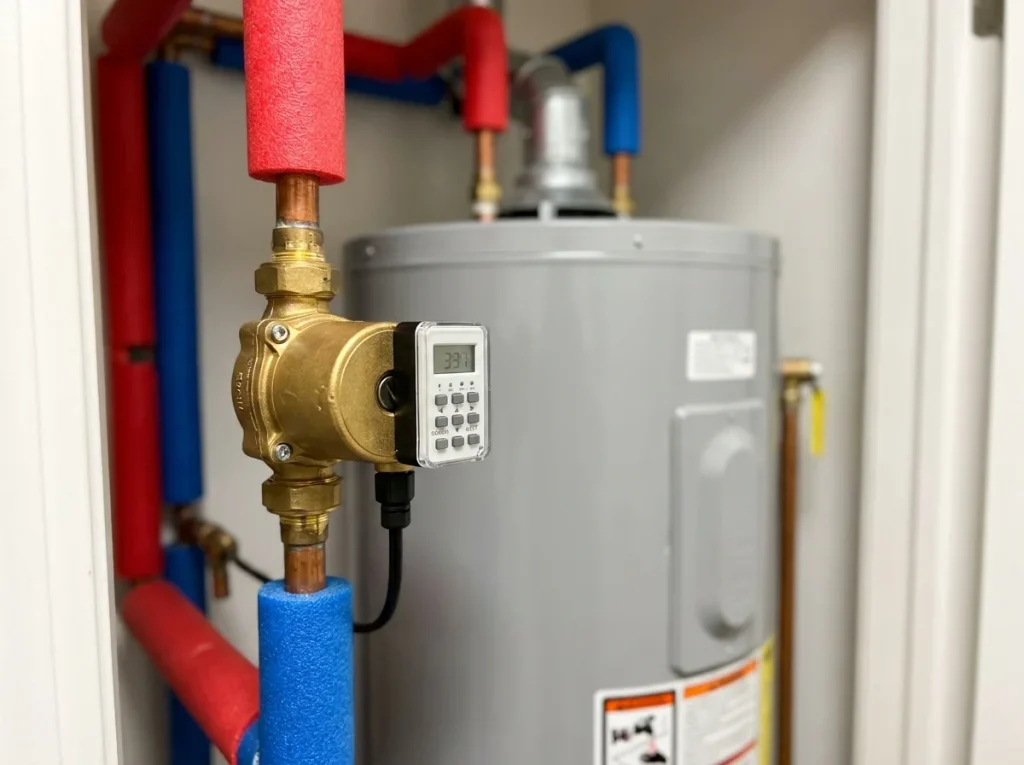
The longest 45 seconds in the house.
In a compact home, hot water has a short commute and the wait barely registers. Stretch the floor plan out, or put the water heater in the garage of a two-story, and the far bathroom can sit 45 seconds of pipe away from the tank. Multiply that by every shower, every shave, and every sink of dishes, and it adds up to a daily ritual nobody signed up for: run the tap, test with a hand, wander off, come back.
A recirculation system ends the commute. A quiet pump keeps hot water parked in the lines near your fixtures, on a schedule or on demand, so opening the handle skips straight to the good part. Your heater stays where it is and your fixtures stay where they are; the distance between them simply stops costing you time and water.
One honest boundary: recirculation cures the wait, not the supply. If hot water shows up quickly but quits early, or never gets truly hot at all, the problem lives at the tank, and our water heater repair and installation service is the right conversation to have first.
Where the wait hits hardest
- Primary baths at the far end of a long, single-story ranch
- Two-story homes with the water heater out in the garage
- Kitchen taps that run a while before the dishes can start
- Guest bathrooms that greet every visitor with a cold start
- Any fixture a long pipe run away from the heater
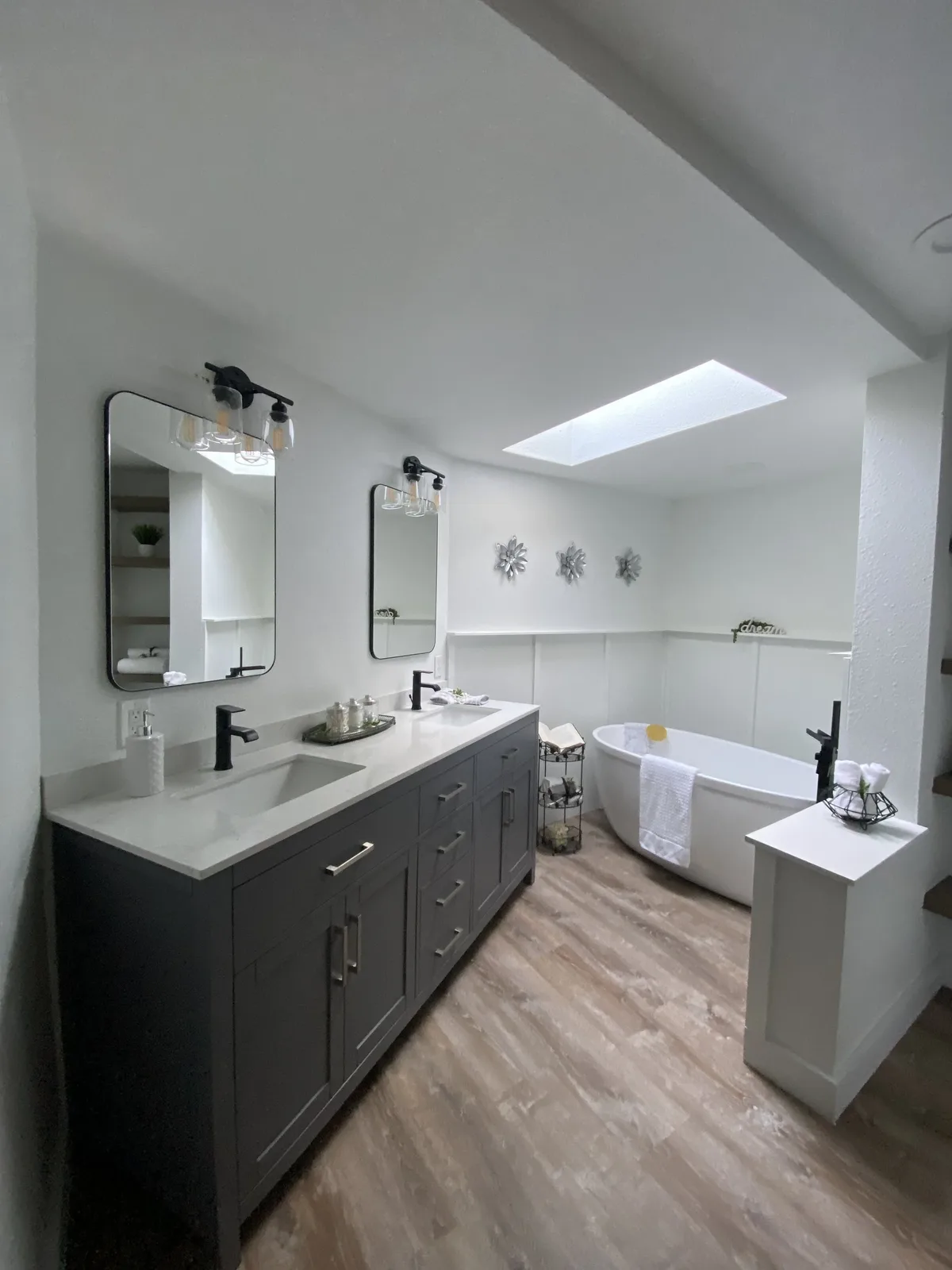
Dedicated loop or retrofit valve: two roads to the same tap.
Which system fits depends mostly on the state of your walls. A dedicated return loop is the full-strength version, and it is the one we design into bathroom and kitchen remodels and ground-up builds while the framing is exposed. A retrofit comfort valve brings recirculation to a finished home without touching the drywall. Here is the honest comparison.
| What matters | Dedicated return loop | Retrofit comfort valve |
|---|---|---|
| How it works | A third pipe carries cooling water from the farthest fixture back to the heater, keeping the hot line charged end to end. | A thermostatic bridge valve at the far fixture returns cooled water through the existing cold line until hot arrives. |
| New piping | Yes. A return line, run while walls or crawlspace access are open. | None. Works entirely with the pipes you already have. |
| Right moment to install | During a remodel or a new build, when adding the line is easy. | Any time. Typically a single-visit project. |
| Speed at the tap | Near-instant at every fixture on the loop. | A few seconds at the far fixture, a touch behind a true loop. |
| Cold-line behavior | Cold stays cold. | The cold side runs briefly lukewarm right after the valve cycles. |
| Ideal fit | Open walls, new construction, and homes you plan to keep. | Finished homes where the drywall stays closed. |
Run the pump on your schedule, not nonstop.
An always-on pump is the blunt way to do recirculation. The right control keeps the comfort and trims the operating cost, and we set one up with every system we install.
Timer pumps
The loop runs through your real hot-water hours, mornings and evenings, then rests overnight. Simple, dependable, and easy to adjust when the season or the schedule changes.
On-demand controls
A button press or motion sensor charges the line just before you need it, then shuts the pump back off. The most efficient way to run a loop, because it works only when asked.
Smart pumps
App-connected pumps learn when your household actually draws hot water, build the schedule themselves, and adapt when the routine shifts. Set it from your phone and forget it.
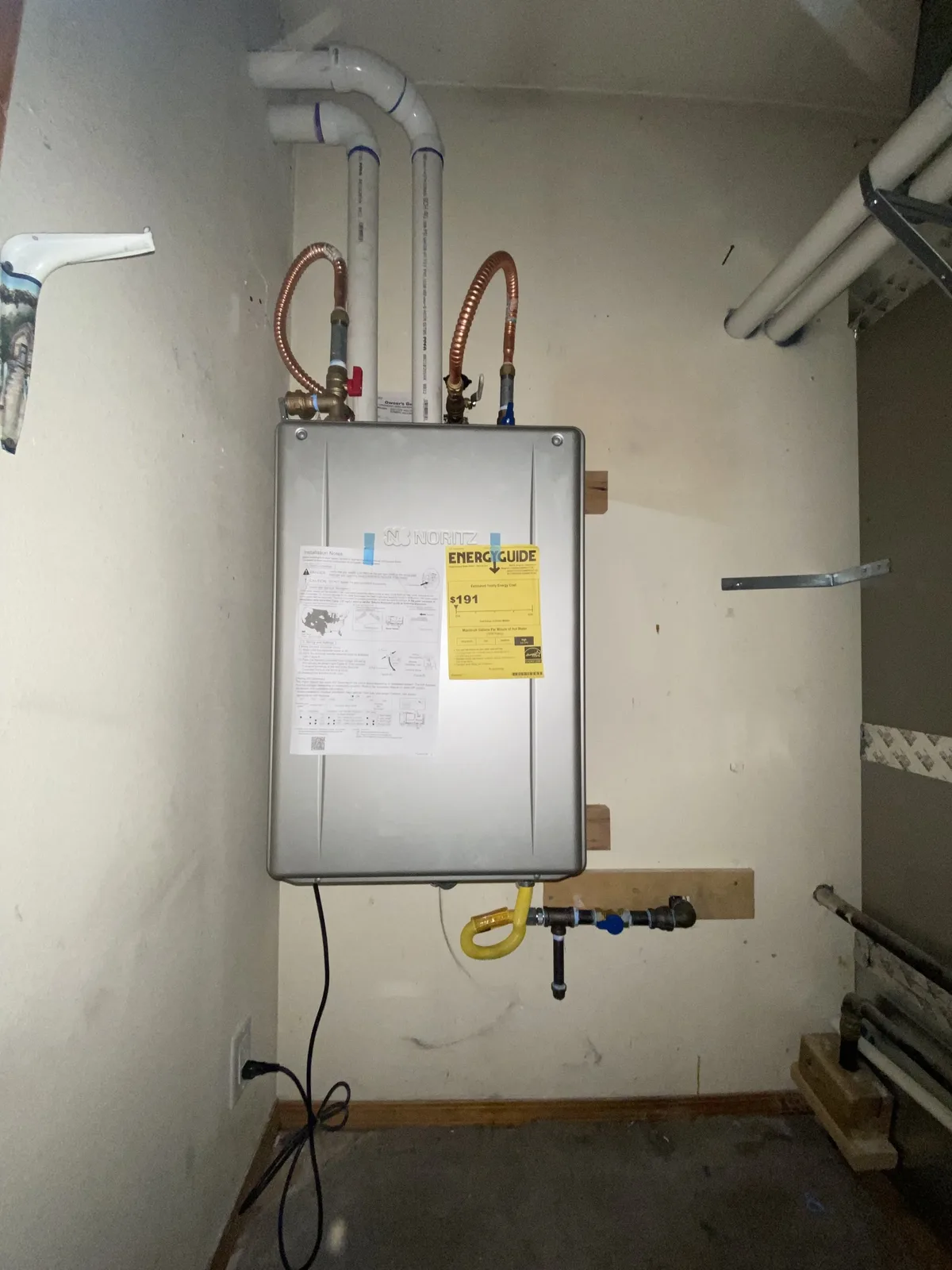
Pairing recirculation with tankless takes engineering, not luck.
A tankless unit fires when it senses flow, and the wrong recirculation pump can trip that sensor over and over, short-cycling the heater in a way that ages it early. The cure is a pump, valve, and control setup matched to the specific unit, which is exactly how we build the combination. If a tank-to-tankless conversion is on your horizon, we engineer the loop and the conversion as one project so both run the way their manufacturers intend.
Recirculation questions, answered honestly.
Does a recirculation system waste energy?
Can my home get recirculation without new pipes?
Does recirculation work with a tankless water heater?
Will recirculation make my shower heat up faster?
More questions? Browse every answer on our FAQ page.
Services that pair with faster hot water
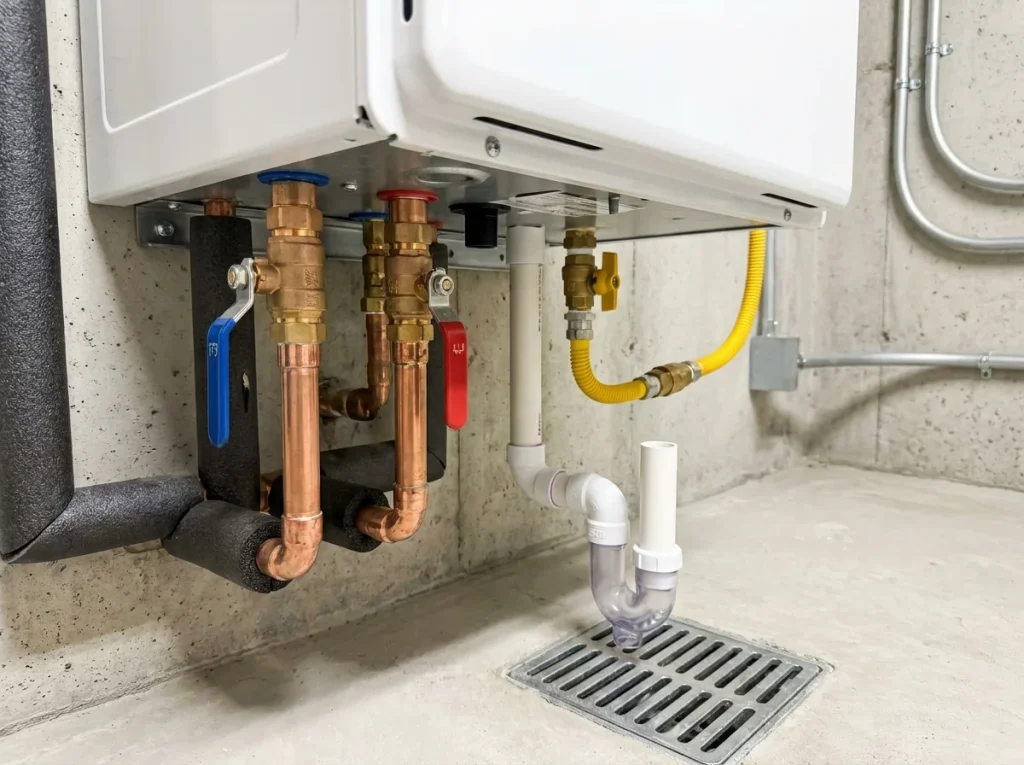
Tankless Water Heaters
On-demand Rinnai and Rheem systems, sized and vented to spec, that never run out mid-shower.
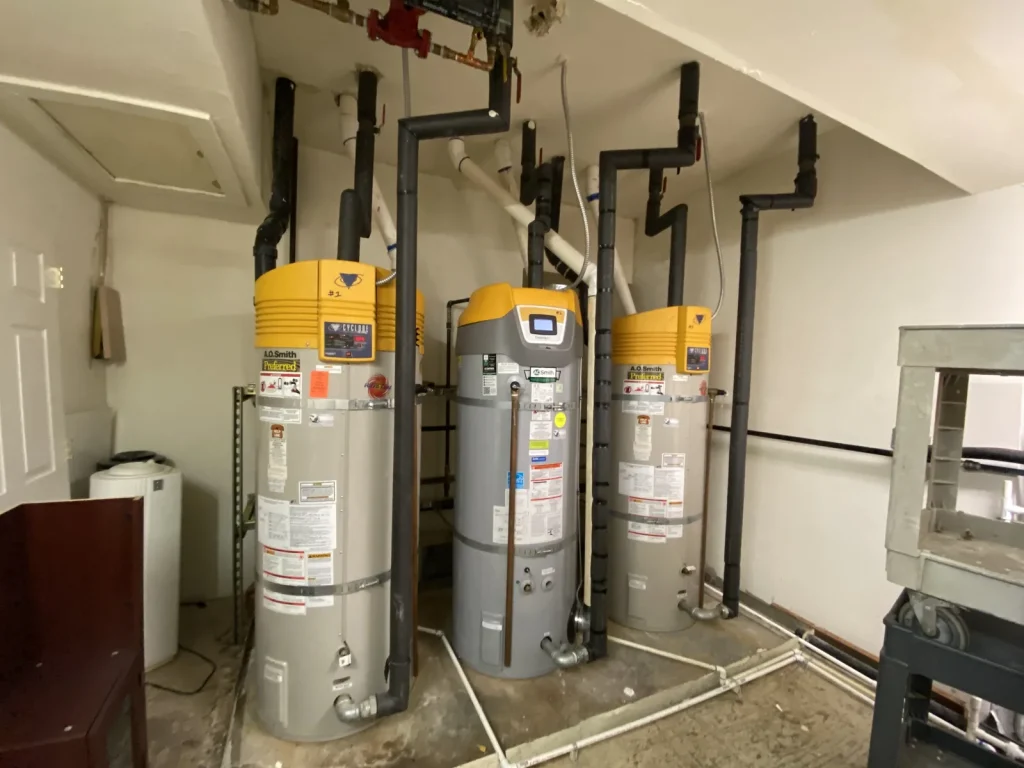
Water Heaters
Honest repair-or-replace guidance and tanks installed to manufacturer spec.
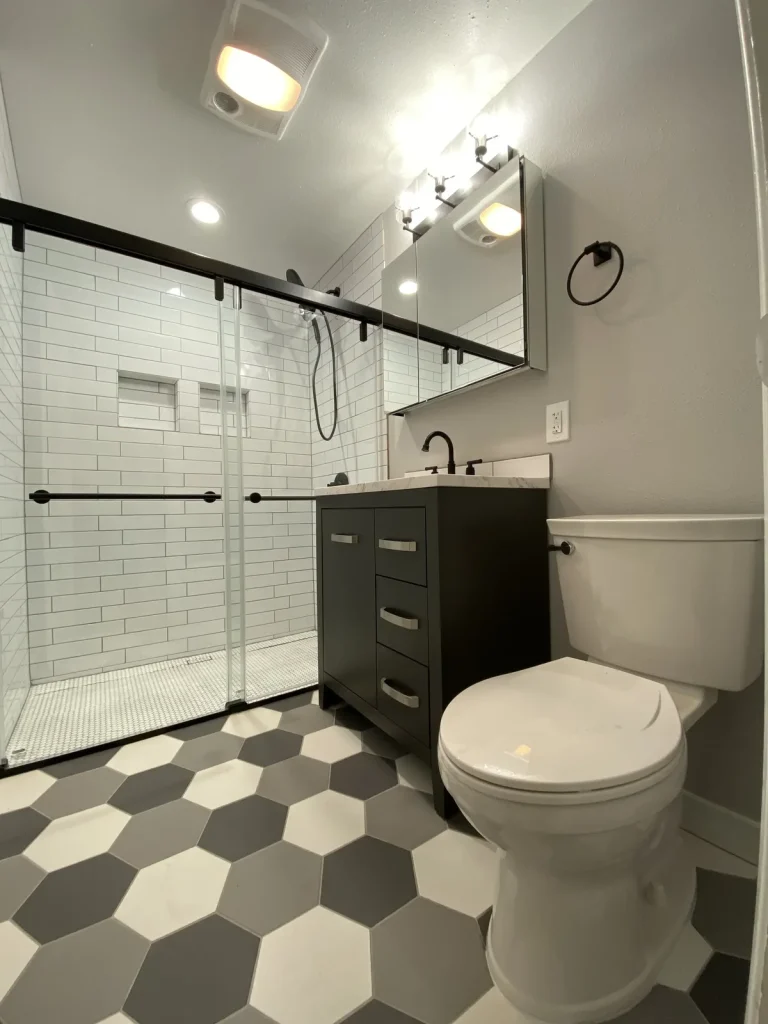
Remodel Plumbing
Bathroom and kitchen plumbing engineered while the walls are already open.
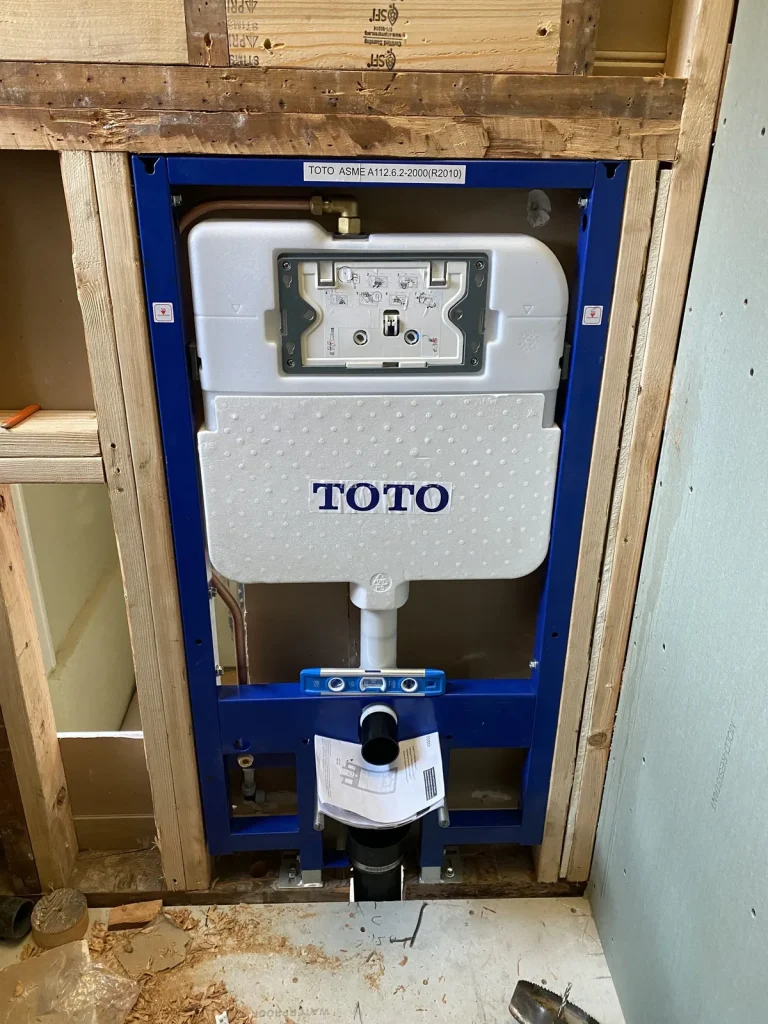
New Construction Plumbing
Ground-up rough-in and finish plumbing for builders, GCs, and ADU projects.