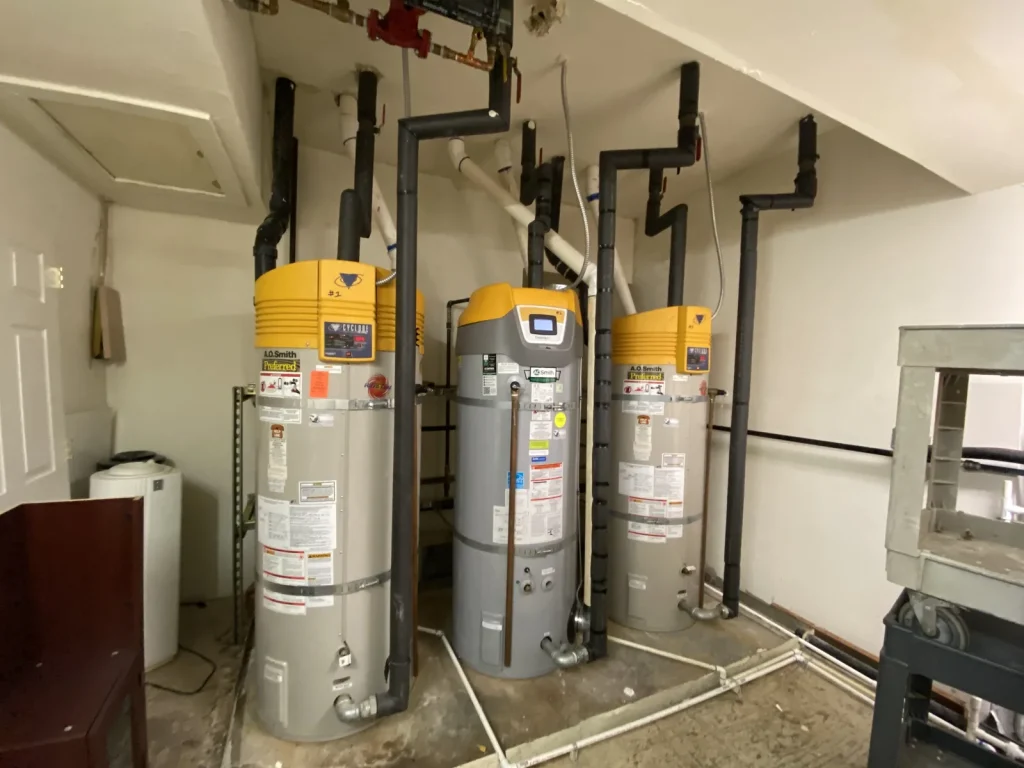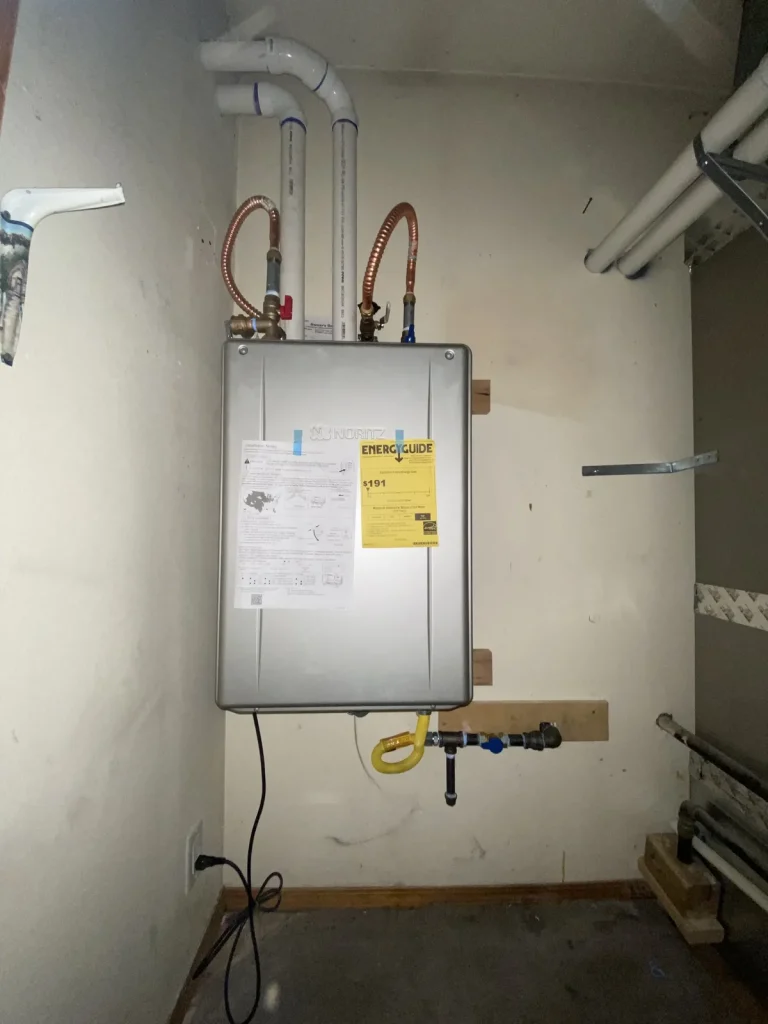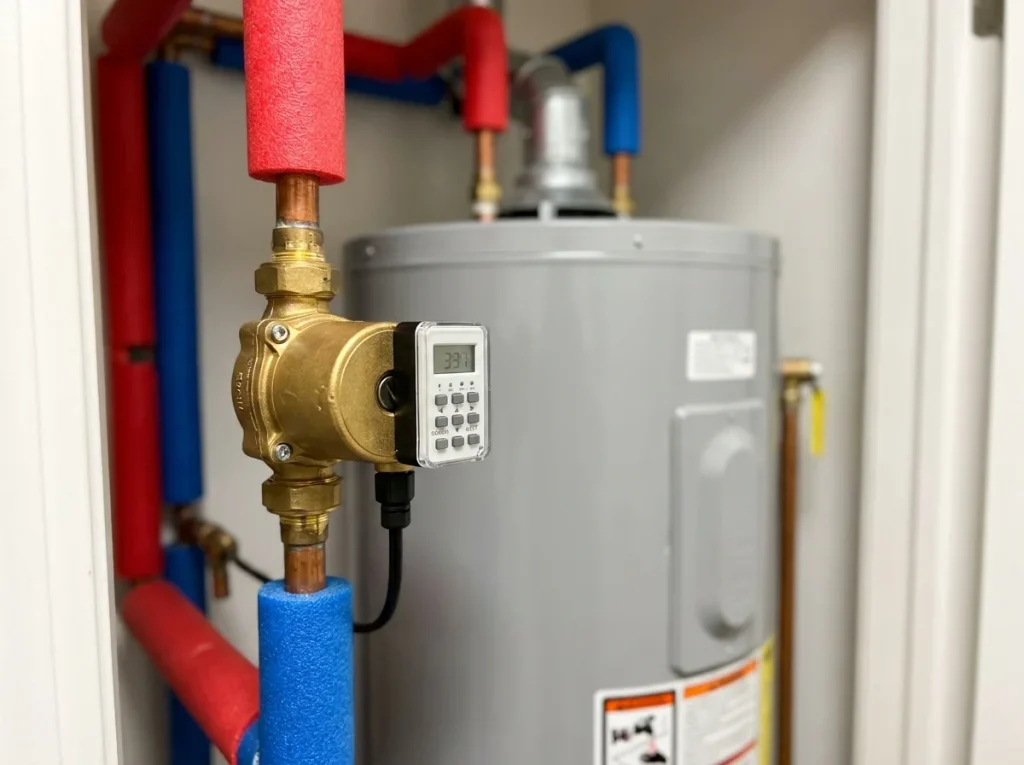
Water heater replacement cost in Portland: tank vs tankless.
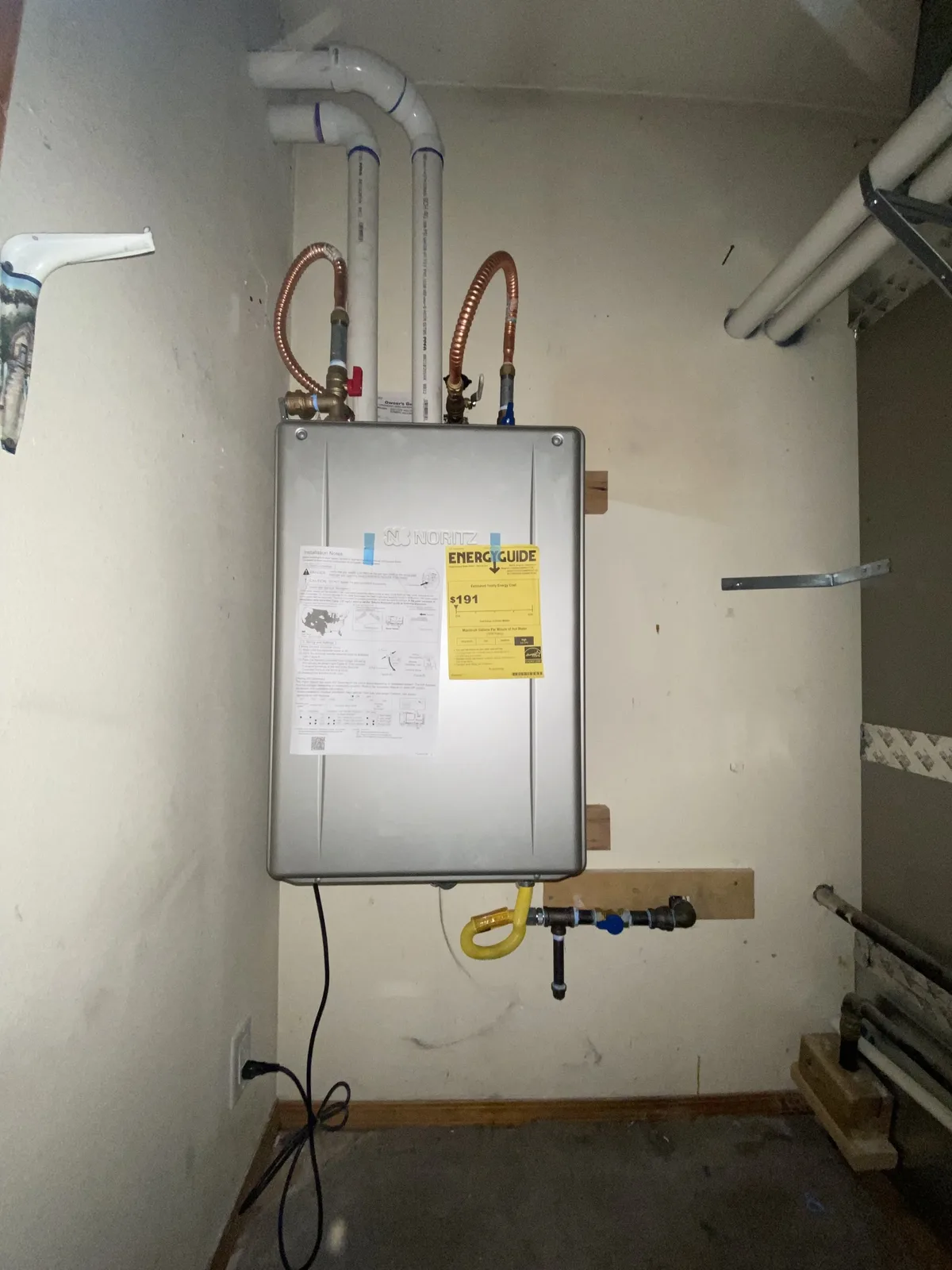
Nobody researches water heaters on a good day. The trigger is usually a cold shower, a puddle creeping out from under the tank, or a pilot light that refuses to stay lit, and the price shopping happens fast, on a phone, while the household waits. This guide is the version of that research I wish more homeowners had before the pressure was on.
Two ground rules before any numbers. First, every figure below is a typical range, drawn from what currently published Portland cost guides report, and rounded broadly on purpose. Your house will land wherever its details put it. Second, ranges are for planning, never for approving work. The only number that should start a project is an exact written price for your specific home.
The short answer
Standard tank swap: a like-for-like replacement of a 40 or 50 gallon tank typically lands between $1,500 and $2,500 installed in the Portland area. Venting work, code corrections, or a difficult location can push a tank project past $3,000.
Tankless: published Portland figures put most tankless installations roughly between $1,700 and $4,000, and a true tank-to-tankless conversion commonly runs $1,500 to $5,500 depending on fuel type and the gas and venting upgrades required. An involved conversion can clear $7,000.
Treat both as planning bands. Panda Plumbing prices every project as an exact, guaranteed number in writing after we have actually seen the home, usually starting with a short video call.
What moves the number on a tank replacement
Capacity is the first lever. Moving from a 40 gallon tank to a 50, or to a model with a stronger first-hour rating, raises the equipment cost before labor enters the picture. First-hour rating deserves more attention than it gets: it measures how many gallons of hot water the unit can actually deliver in its busiest hour, storage and recovery combined, and it is the honest spec for a household that keeps outrunning its current tank.
Fuel is the second. Replacing gas with gas or electric with electric keeps the project simple. Crossing over is a different budget conversation, because switching adds gas piping or new circuit and panel work on top of the swap itself. Venting sits right behind fuel on gas units: an atmospheric-vent tank in a location with a compromised flue may need a power-vent model, which costs more as equipment but solves problems no discount can.
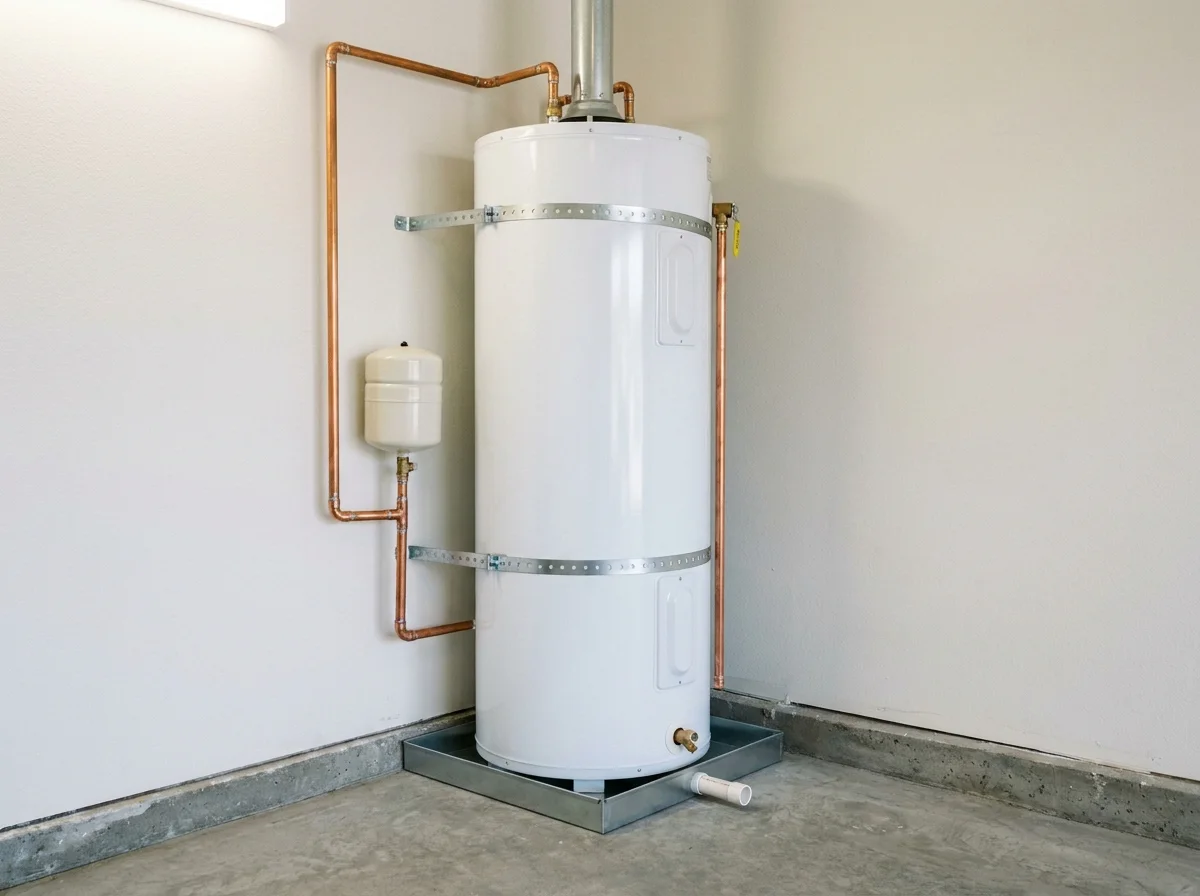
Then come the code items: an expansion tank, seismic strapping, a drain pan with somewhere legal to drain, and the permit itself. None of these are upsells. They are what the Oregon plumbing code requires and what the inspector expects to find, and the Portland-area cost guides consistently list them among the line items that separate a real quote from a teaser. Access rounds out the list. A tank boxed into a hallway closet, perched on a garage platform, or wedged under a low crawlspace ceiling takes more hours than one standing in the open, and hours are money.
Why a tankless conversion is priced like a different project
Because it is one. An on-demand unit heats water the instant a fixture asks for it, which takes a burner far larger than the one in a storage tank. Feeding that burner often means upsizing the gas line, and sometimes the conversation extends to the meter. The old flue cannot simply be adopted either: tankless venting is sealed stainless steel or PVC on its own route, engineered to the manufacturer’s manual. High-efficiency condensing models also produce acidic condensate that needs a proper drain path, and the unit itself hangs on whichever wall serves the venting, the gas, and future service access, not necessarily where the tank used to stand.
Those four scope items are the honest reason conversion quotes span such a wide band, and they are exactly what should be verified before anyone puts a number on paper. Our tankless water heater page walks through how we engineer each one, and why a conversion scoped up front costs what it costs and then stays at that price.
Cost today against cost over twenty years
Sticker price is only half a comparison. The other half is what each machine costs you across the years you own it. Here is the money view, side by side.
| The money question | Standard tank | Tankless |
|---|---|---|
| Check you write today | The smaller one: most straightforward swaps stay in the low-to-mid four figures | The larger one: conversion scope adds gas, venting, and condensate work to the unit price |
| Years of service you buy | Most tanks retire around the 10 to 12 year mark | Plan on two decades or more when descaled yearly |
| Replacements over a 20-year stay | Budget to buy twice, with a second install bill in the 2030s | One install usually covers the whole stay |
| Energy while you own it | Pays to keep stored gallons hot day and night, used or not | Fires only while hot water is actually being drawn |
| Floor space | Keeps its corner of the garage or closet, plus required clearance | Returns the footprint to you; the unit lives on a wall |
| The busy-morning test | A fixed reserve; a full house can drain it before the last shower | No reserve to empty; flow rate is the only ceiling |
| Rebate potential | Standard-efficiency tanks rarely qualify | Qualifying high-efficiency models commonly earn Energy Trust incentives |
The fair lens is cost per year of hot water. A tank wins the month you buy it; a tankless usually wins the decade, because one install stretches across roughly double the service life while sipping less fuel along the way. That said, the honest answer is not automatic. If you plan to sell within a few years, or the budget simply is not there, a well-installed tank is a perfectly good decision. And a tankless only delivers its promise when it is sized for real Portland winter inlet temperatures and confirmed against your gas supply, which is precisely the homework a properly engineered conversion does before installation day.
Energy Trust of Oregon rebates
Oregon sweetens the high-efficiency path. Qualifying high-efficiency equipment commonly earns an Energy Trust of Oregon incentive in the $150 to $500 range, which takes a real bite out of the price gap between a standard tank and better equipment.
Programs change. Confirm before you buy.
Incentive amounts and qualifying-model lists get revised, sometimes mid-year, so never build a rebate into your budget on last year’s information. Confirm the current rebate for the exact model you are considering, or let us do it: checking the live incentive is part of how we build every water heater quote.
Repair or replace: the math worth running
Not every cold shower ends in a replacement. A useful screen, and I stress that it is a screen rather than a verdict, is to multiply the heater’s age by the repair quote. If the result clears the cost of a new unit, replacement usually deserves the win. A $450 repair on a 10-year-old tank scores 4,500 against a swap that typically starts around $1,500: replace. The same $450 repair on a 4-year-old tank scores 1,800: repair, and enjoy the years it buys back.
Two situations skip the arithmetic entirely. A shell that is leaking from the tank body is done, because corrosion works from the inside and no part reverses it. And a young tank with a failed component is nearly always worth fixing. The trap to avoid is the shop whose answer is always the expensive one. Our fix for that is structural: a flat diagnostic fee credited against the job the moment you approve it, so the honest repair-or-replace call at the heart of our water heater service has nothing riding on the answer.
How the suspiciously cheap bid got that cheap
When one quote comes in far under the others, the difference is rarely generosity. It is usually scope that quietly fell out. The pattern to watch for: no permit on the paperwork, which strips away the inspection that protects both your safety and your manufacturer warranty, and tends to resurface as a problem when you sell the house. No expansion tank, strapping, or pan in the itemization, which means either they appear later as change orders or they never appear at all. And on conversions, the phrase “we can reuse your existing venting,” which on a tankless project is close to a guarantee the manual was not read.
A vague estimate with allowances belongs on the same list. An installer who has scoped the job properly can commit to an exact figure and put it in writing. Every item above is built into how we do water heater installation: permit filed, code items included, venting corrected rather than inherited, and a written price that holds.
What I would do next
Find the data plate on your current heater and note the manufacture date. Past the 10-year mark, it is worth pricing both paths now, calmly, while the choice is still yours. Water heaters have a habit of scheduling their own replacement, and failure-day decisions are rushed decisions made standing in a puddle.
One planning note while you are at it: if your real complaint is how long hot water takes to reach the far bathroom rather than how much of it there is, a new heater will not fix that. A hot water recirculation loop will, and folding one into a replacement costs far less than running it as a stand-alone project later.
Ready for numbers that apply to your address instead of the internet’s? Request a free consultation, or call or text (503) 830-6400. A journeyman plumber looks at your setup over a 5-minute video call and you get an exact price, in writing, for whichever path fits your home.
What readers ask after the math.
Do I need a permit to replace a water heater in Portland?
How long does a water heater replacement take?
Is a tankless water heater cheaper to run?
More questions? Browse every answer on our FAQ page.