
How much does it cost to repipe a house in Portland?
Ask three plumbers what a repipe costs and you will usually get three versions of the same non-answer: it depends. True, and useless. When your house is on its second pinhole leak this year, you do not need a shrug. You need to know if you are planning around a four figure project or a five figure one.
I repipe Portland houses for a living, so this guide skips the shrug. Below are the typical price ranges local homeowners actually pay, the six factors that move a bid up or down, how PEX and copper behave differently on cost, what a fair bid should spell out, and the situations where a smaller partial repipe is the honest call.
The short answer
Most Portland-area whole-house repipes land between roughly $4,000 and $16,000, with published local cost guides putting the typical job near the middle of that spread, around $8,000 to $14,000 depending on who is counting. Large multi-bath homes repiped in copper can climb past $20,000. A partial repipe that replaces one failing branch or a single bathroom often comes in around the low four figures. These are the typical ranges we see and that published Portland guides reflect, not a quote. Your house has one exact number, and the only honest way to find it is a scoped consultation.
What actually moves the number
Every repipe bid is built from the same three ingredients: material, labor hours, and access. The six factors below decide how much of each your house demands, and they explain how two neighbors can get bids thousands of dollars apart without either plumber being wrong.
1. Home size and bathroom count
Plumbers do not really price square footage, we price fixtures. Every sink, tub, shower, toilet, hose bib, ice maker, and laundry hookup is its own run of pipe that has to be routed, connected, and tested. A two-bath ranch might carry a dozen runs. A four-bath house can double that, and every added bathroom brings the wettest, most fitting-dense rooms in the building. Bathroom count is the single fastest way to guess where a home falls inside the published ranges.
2. Stories and access
A one-story home over a roomy crawlspace is the friendliest repipe there is, because most of the new distribution can travel under the floor with minimal wall work. Add a second story and pipe now has to climb through closed wall cavities and ceilings. Homes on concrete slabs usually reroute overhead through the attic instead of through the slab. Finished basements, tight crawlspaces, and vaulted ceilings all add hours, and hours are most of the bill.
3. PEX or copper
Material is the one big cost lever you get to choose. For a typical 2,000 square foot home, Oregon guides that publish material-specific figures put whole-house PEX at roughly $8,000 to $16,000 and copper at $10,000 to $20,000 or more, and several note that copper’s installed cost can run double PEX or higher once labor is counted. The gap is real, but it is not only about the price of the tubing, which is why the comparison table further down looks at how each material behaves on cost.
4. Drywall repair scope
Here is the quiet line item that surprises people: most repipe bids cover cutting the wall openings, not closing them. Patching, texture, and paint are usually a separate drywall contractor’s invoice. Routing choices control how big that second invoice gets, so a plumber who plans runs through closets, cabinet backs, and existing chases is saving you money on a bill they will never send. Always ask how many openings a bidder expects to cut and who closes them.
5. Fixture upgrades while the walls are open
Open walls are the cheapest access you will ever have. Swapping a corroded shower valve, adding a hose bib, or roughing in a future bathroom costs meaningfully less during a repipe than as a stand-alone project later, because the access is already paid for. These add-ons raise the total on the quote, but they are usually the highest-value dollars in the whole project.
6. Permits and inspection
The City of Portland requires a permit for repipe work, and that permit belongs in the true cost. Published guides show permit and inspection costs running from about $100 to $1,500 depending on the length of pipe involved and the inspections required; on most single-family houses it amounts to a few hundred dollars. A bid with no permit in it is not a discount. It is a missing city inspection, a problem waiting at resale, and a preview of how the rest of the job will be run.
PEX vs copper: how each behaves on price
Both materials produce an excellent supply system when they are installed well, and we work in both. On cost, though, they act very differently, and the difference goes well beyond the sticker price of the pipe.
| Cost behavior | PEX | Copper |
|---|---|---|
| Material price | Inexpensive tubing with a price that stays fairly stable year to year. | Premium metal that tracks commodity markets, so bids can move with copper prices. |
| Labor hours | Flexible coils pull through the structure in long continuous runs with few joints to make. | Rigid lengths are measured, cut, and joined fitting by fitting, which multiplies hours. |
| Wall openings | Snakes through cavities, so fewer drywall cuts and a smaller patching bill afterward. | Straight runs need more access points, which grows the drywall invoice that follows. |
| Cost of future repairs | Home-run layouts with fixture-level shutoffs keep later repairs small and contained. | Repairs involve soldered fittings and more labor per fix, and aggressive water chemistry can shorten service life. |
| Where the premium pays | The value pick for most whole-house budgets in most Portland homes. | Exposed runs, mechanical rooms, and buyers who expect copper in premium homes. |
A fair quote prices both materials whenever the choice is genuinely open. Ours do, with each option carrying its own exact figure, so the decision is yours and the numbers are real.
How to compare two bids that look alike
Repipe bids fail homeowners in the details, not the totals. Two quotes a thousand dollars apart may be describing two very different jobs, and the cheaper one is often the more expensive one by the time the walls are closed. Before you compare prices, compare these five things:
-
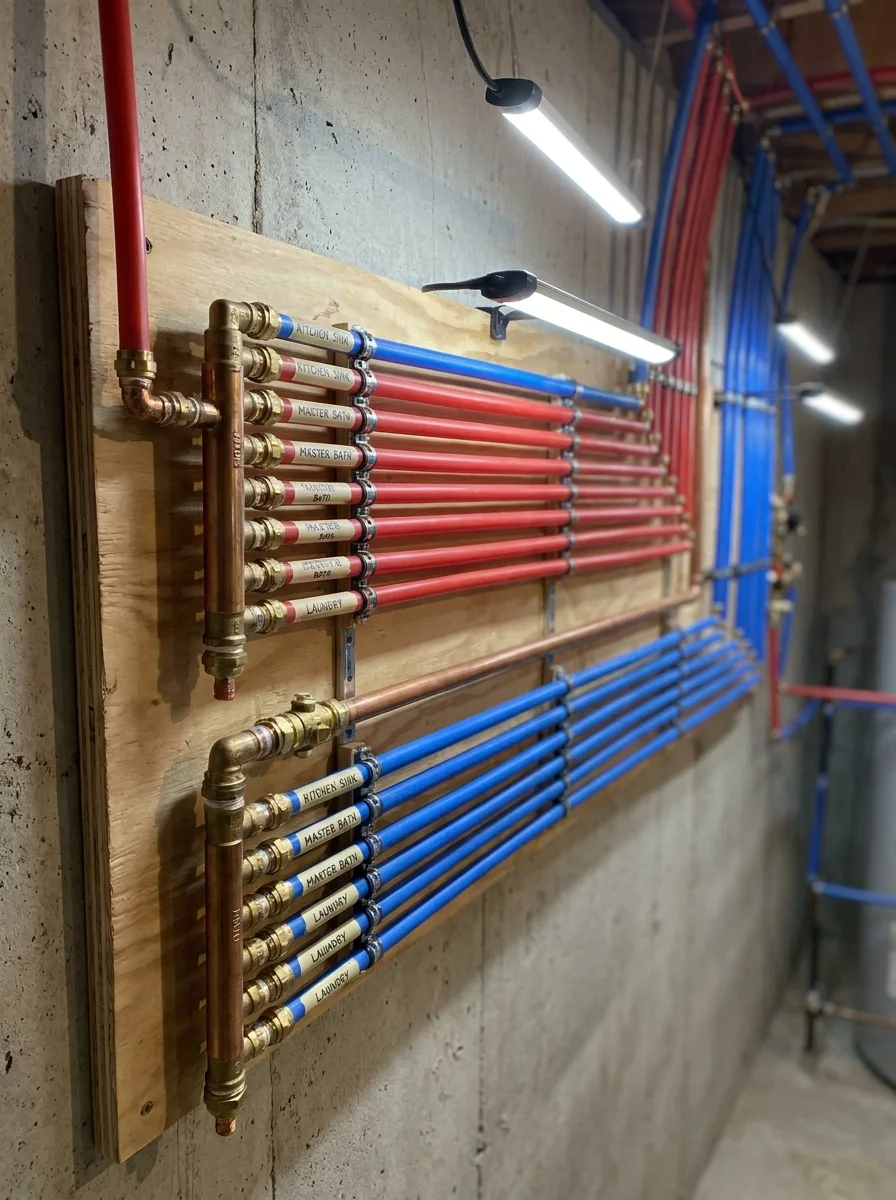
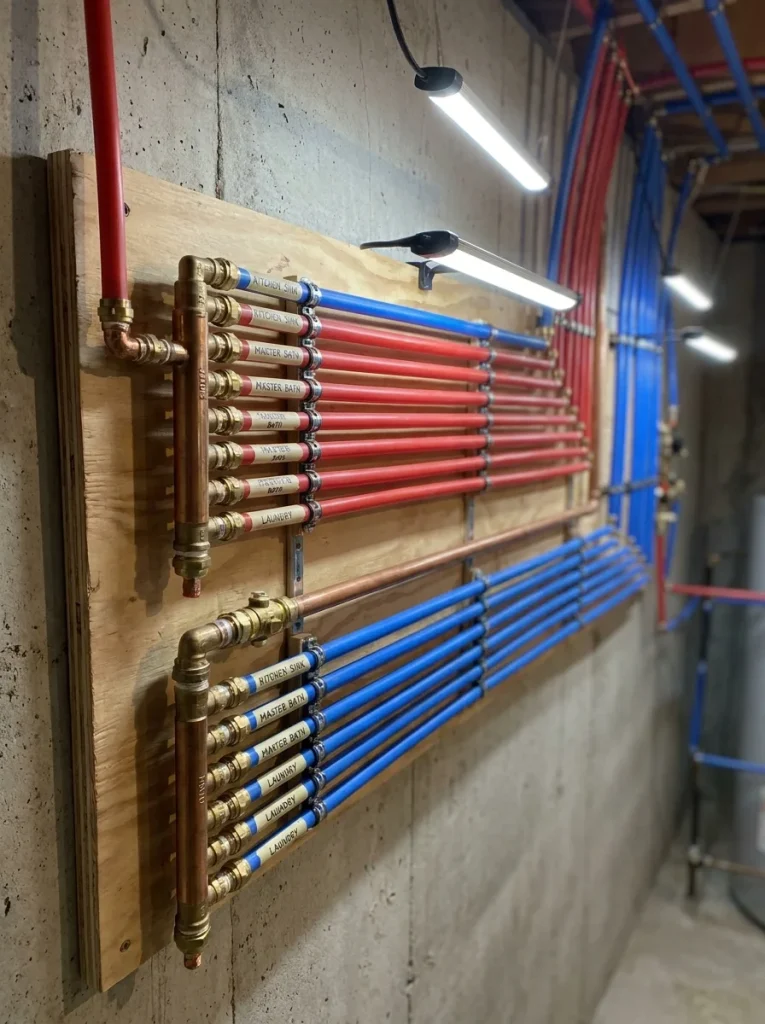
The layout, named. Does the bid specify a manifold with individual fixture shutoffs, or does it just say replace pipes? A home-run manifold layout costs little more on install day and pays for itself the first time a future repair needs only one fixture valve closed while the rest of the house keeps its water.
-
Labeled runs. Labeling every line takes minutes during installation and remains a permanent upgrade for every plumber, inspector, and buyer who opens that wall over the next forty years. Bids rarely mention it unless the installer actually does it.
-
A drywall plan in writing. How many openings, roughly what sizes, and who patches them. If a bidder cannot estimate their own openings, they have not really planned the routing.
-
The permit, included. The bid should name the permit, carry its cost, and end with a passed city inspection you can keep in your records for resale.
-
A warranty you can read. A workmanship warranty in writing, with its exclusions stated plainly, beats any verbal promise that a company stands behind its work.
That checklist doubles as a description of how our own repiping service is built, which is exactly the point. The habits that make a bid easy to compare are the habits that make the repipe itself worth the money.
When a partial repipe is the honest call
Sometimes the failure is genuinely local: a corroded branch feeding the kitchen, the supply lines in one bathroom, or a short stretch of gray polybutylene a previous owner added. In those cases replacing the affected section alone is a legitimate fix, and it usually costs a small fraction of the whole-house price, often landing in the low four figures. A remodel is the other classic case. If a bathroom’s walls are already open, repiping that wing while the studs are exposed is close to free access.
The math flips when the whole system is failing on the installment plan. If a house has taken three partial fixes in five years and the water still runs rusty in the mornings, each new patch is buying months, and the sum of the patches plus their drywall repairs will quietly pass the price of doing it once. An honest plumber will tell you which side of that line your house is on before quoting either project.
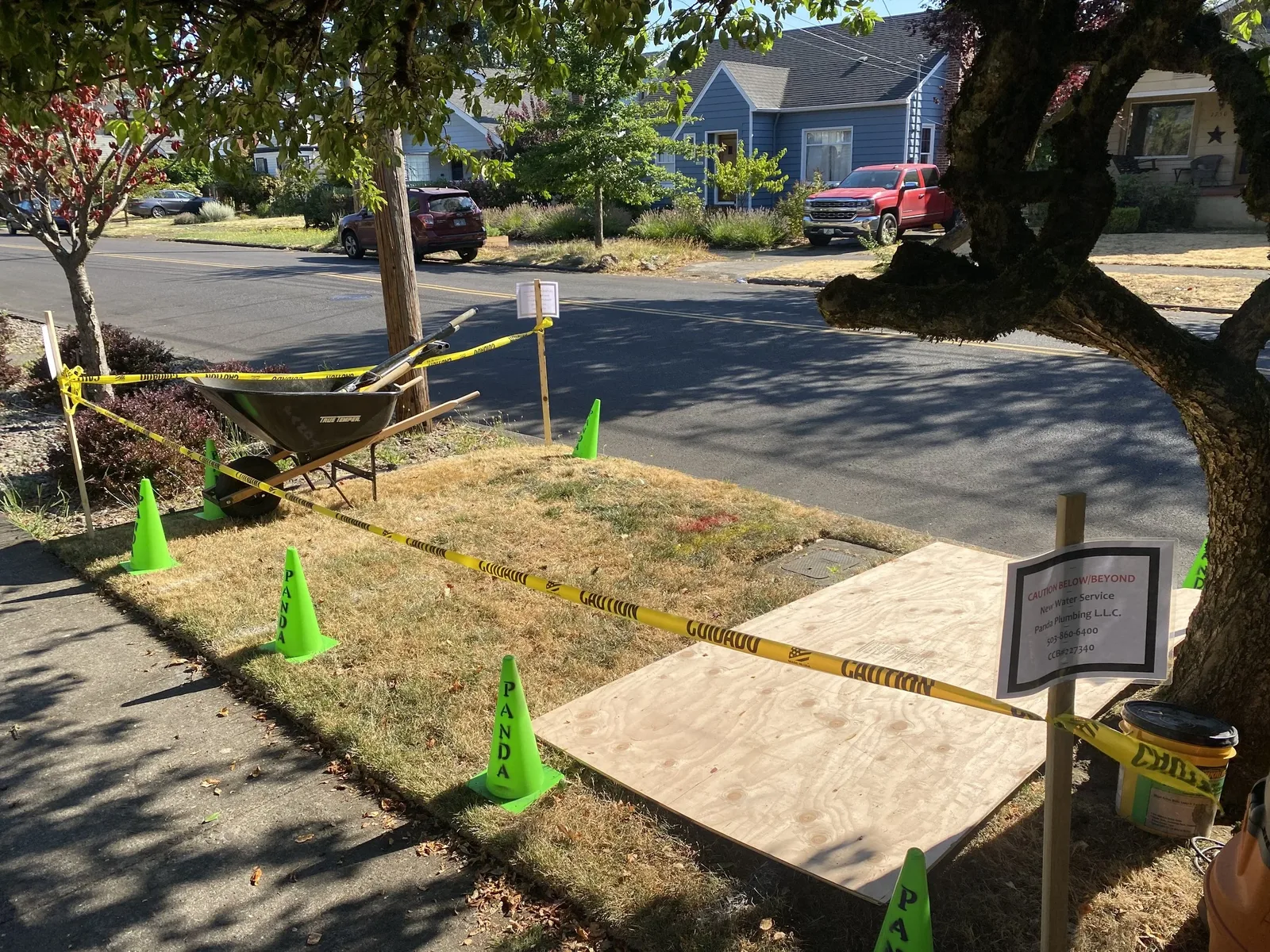
Two diagnosis notes before anyone talks price. First, a house that lost pressure everywhere at roughly the same time often has a failed pressure reducing valve, a repair that costs a small fraction of any repipe, which is why it should be ruled out first. Second, the buried supply line between the water meter and your foundation is its own project with its own price: main water line replacement is never a hidden line inside a fair repipe bid, so if a bidder blurs the two together, ask for separate numbers.
Getting your real number
Ranges orient you; they do not schedule work. The way to turn this guide into an exact figure is a scoped look at your actual house: pipe material, fixture count, access, and routing. We do that as a free consultation, usually starting with a five minute video call, and it ends with your exact figure, guaranteed in writing, before anyone opens a wall. Book a free consultation and get the number that ends the guessing.
Repipe cost questions, answered straight.
Does homeowners insurance cover a repipe after a leak?
How long does a whole-house repipe take?
Does a repipe raise my home’s value?
More questions? Browse every answer on our FAQ page.
The services behind these numbers
Whole-House Repiping
PEX and copper repipes with labeled manifolds, scoped honestly and priced exactly in writing.
Main Water Line Replacement
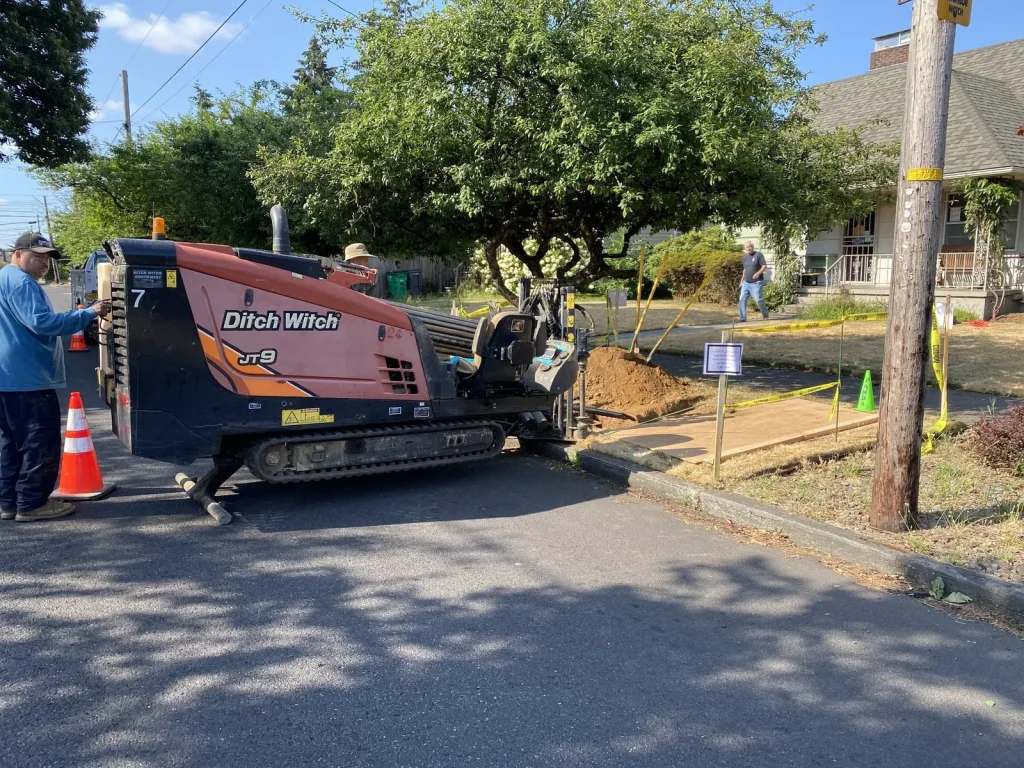
The meter-to-foundation service line, priced as its own project and bored in with minimal digging.
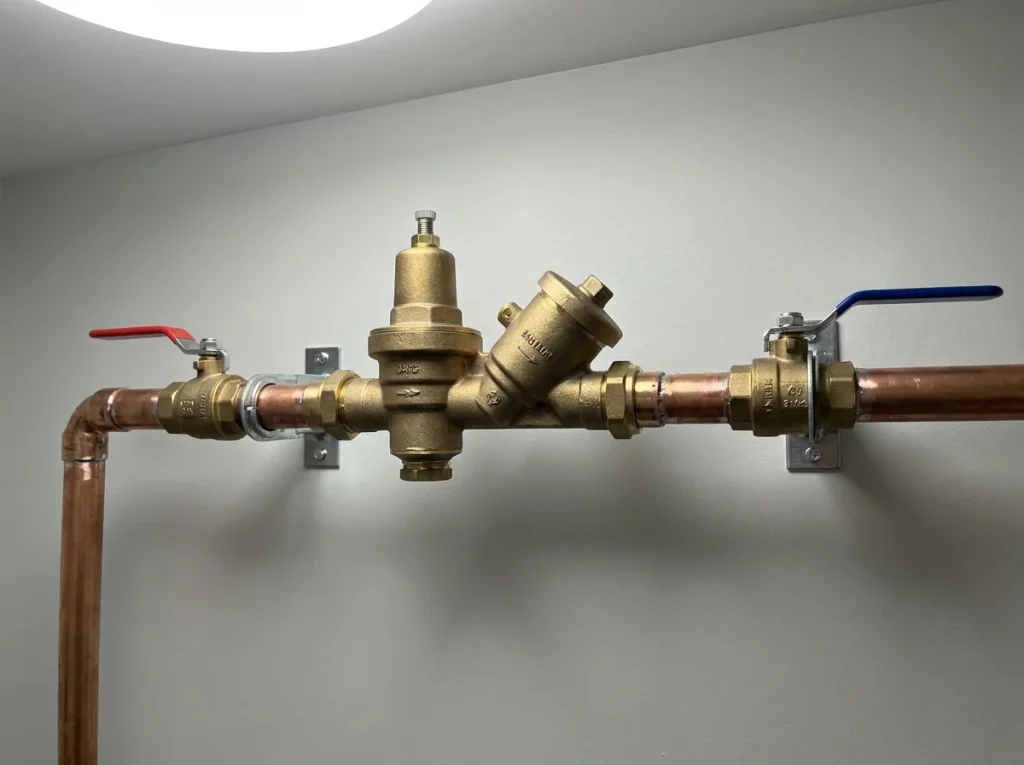
Pressure Reducing Valves
The smaller fix to rule out first: failed PRVs mimic dying pipe by dropping pressure everywhere.