
Shower valves: the fix behind the wall.
The valve buried in your shower wall decides everything you feel at the head: temperature, pressure, and whether the drip ever truly stops. Panda Plumbing repairs and replaces shower valves across the east Portland metro with tile-respecting access, exact written quotes, and trim set perfectly level.
Four small symptoms, one worn valve.
A shower that keeps dripping after the handle says off is rarely a shower head problem. The culprit sits behind the wall, where a worn cartridge or tired rubber seats let hot water sneak past the seal a bead at a time, day and night, on your water heater’s dime.
Temperature swings tell their own story. If the spray turns scalding the instant someone flushes, your valve is passing along a cold-side pressure drop instead of correcting for it, the exact job a modern pressure-balance valve exists to do. The shower is not always guilty, to be fair: a toilet fill valve that never fully closes can keep tugging at the cold line, and when every tap in the house runs lukewarm, the trail leads to the water heater, not the wall.
Catch any of the four signs on the right early and the fix stays small, scheduled, and on your terms.
The drip that never stops
Closing the handle harder buys nothing once a seat or cartridge wears out. The drip carries on behind the wall, quietly billing you for hot water.
The flush-time scald
A flush, a laundry cycle, a dishwasher fill: any cold-side draw spikes the mix when an aging valve cannot rebalance.
The two-hand handle
Stiffness is mineral buildup announcing itself, sped along by the harder groundwater now reaching parts of the east metro.
The fouled cartridge
Grit and scale score the parts that meter your mix, so the temperature wanders and the sweet spot on the dial keeps shrinking.
Behind the wall without wrecking what is on it.
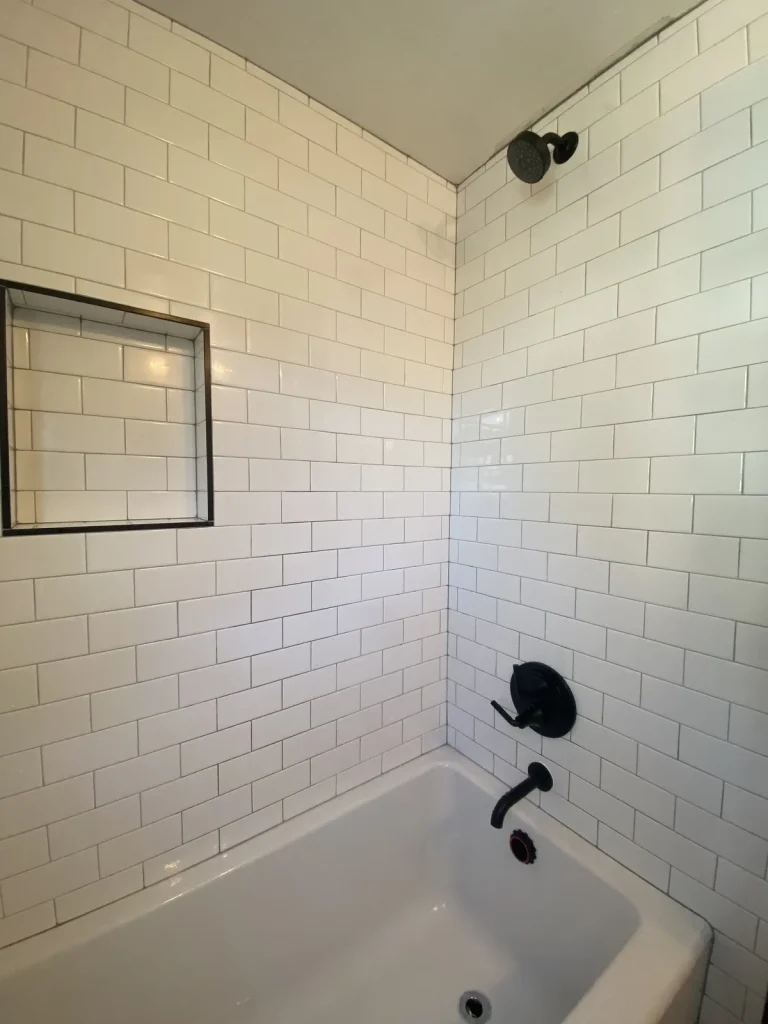
The number one reason people live with a bad shower valve is the tile in front of it. The worry is fair: that tile may have been discontinued a decade ago, and nobody wants a finished shower opened like a demolition site. Access is where this job is won or lost, so it is where we slow down.
Our first choice is not to touch the shower side at all. When a closet or hallway backs up to the valve, we open there, work from behind, and finish with a tidy, paintable access panel. When the wet wall is the only way in, the opening is surgical: measured, cut clean, sized for the plate or patch that covers it completely. Floors and tub are protected before the first cut, and the workspace is disinfected before we leave.
Sometimes the honest answer is to wait. If a bathroom renovation is a year or two out, paying for the same valve twice makes no sense, so we often solve today’s problem at the cartridge level and save the upgrade for when the wall is open anyway. Our bathroom remodel plumbing team plans exactly that sequencing.
Rear access first
If a closet or hallway backs the shower, we come in from behind and your tile never knows we were there.
The surgical opening
One measured cut with clean edges, planned around the cover plate or patch that will follow it.
A finished result
Remodel plates in finishes that match your trim, or patch-ready openings your tile setter will thank us for.
Pressure-balance or thermostatic?
Every valve we install protects you from temperature surprises; the two families just go about it differently. This is the same plain-language comparison we walk through on the video call.
| What matters | Pressure-balance | Thermostatic |
|---|---|---|
| How it works | Holds the hot-to-cold ratio steady when pressure changes | Holds the exact temperature you set, adjusting continuously |
| Controls | One handle runs temperature and volume together | Separate temperature and volume controls; your setting is remembered |
| Scald protection | Stops flush-time spikes; temperature can still drift slightly | Locks the output with an adjustable high-limit stop |
| Best fit | Single-head showers and straightforward replacements | Multi-outlet systems and households with kids or elders |
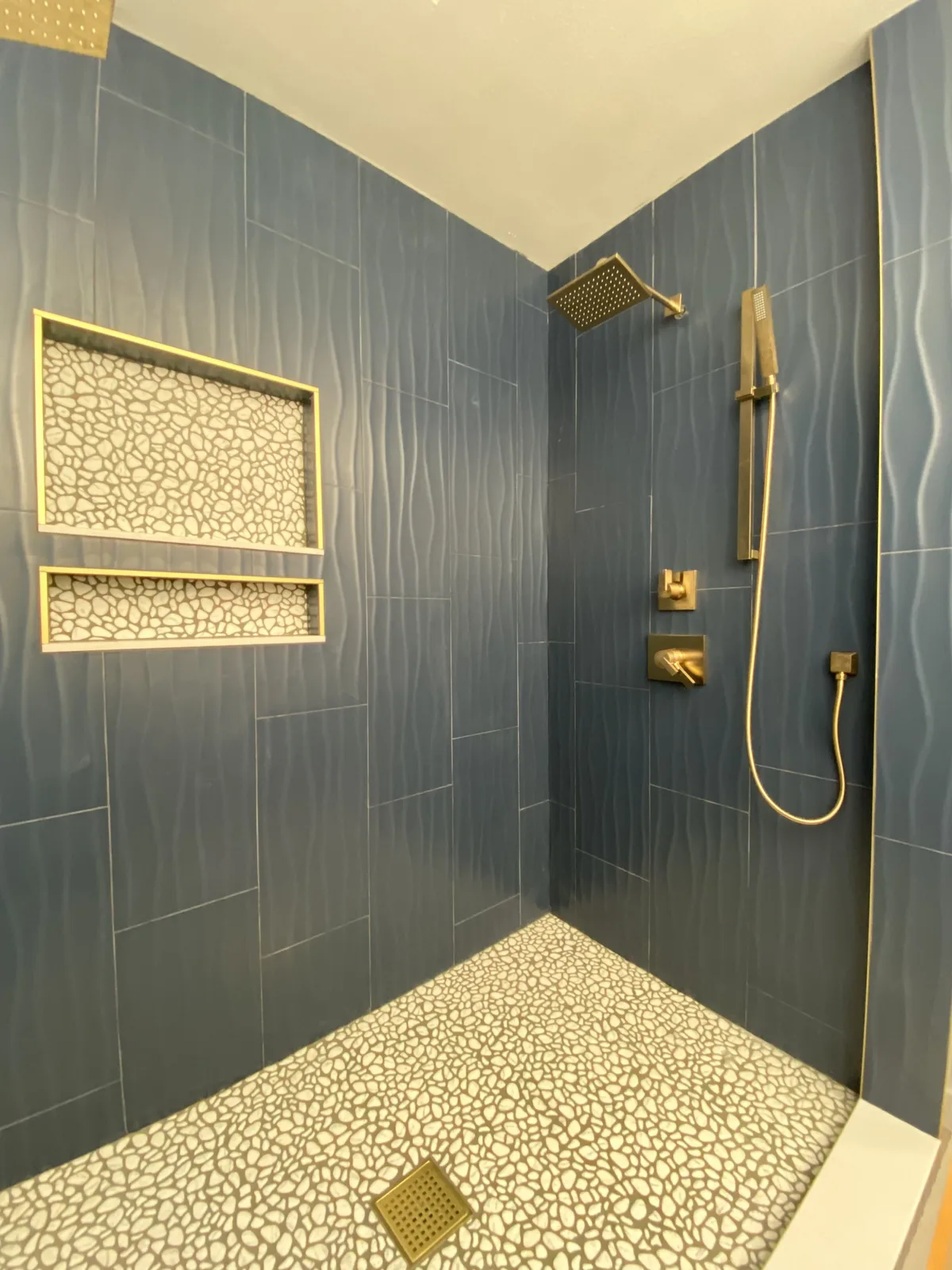
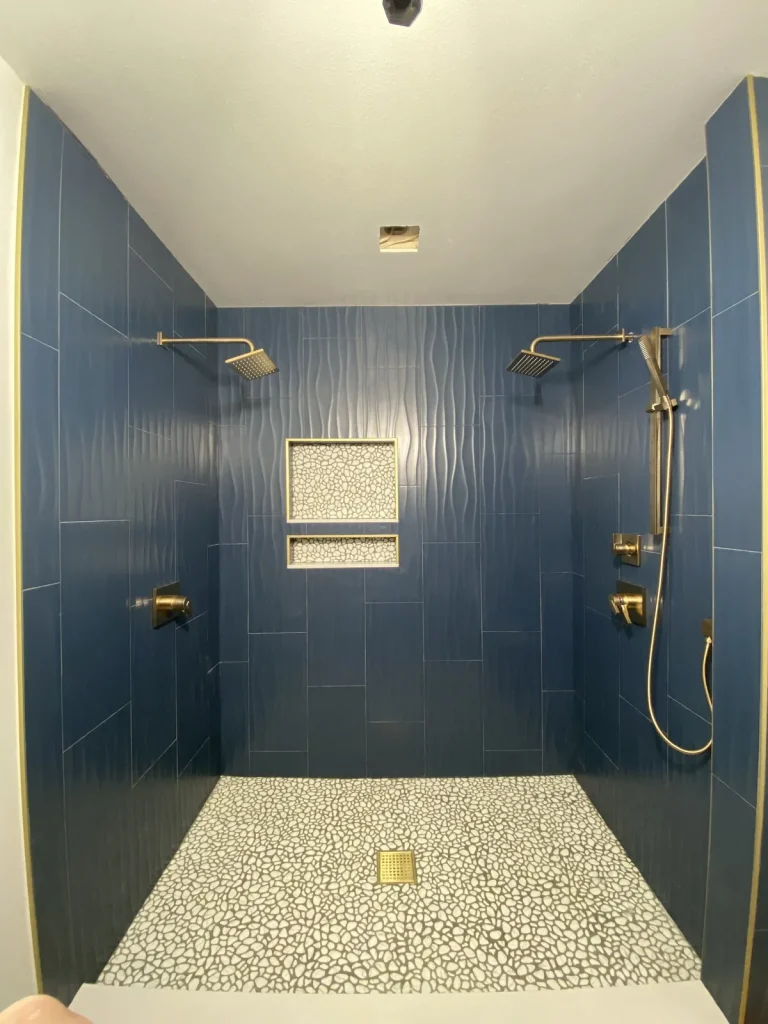
Rain head above, hand shower in reach, one steady temperature.
The brushed gold system in this photo came out of a Panda bathroom project: rain head overhead, hand shower on its own bar, separate controls so each outlet runs alone or together. Showers like this live or die on the valve work behind the tile. A thermostatic valve with dedicated volume controls has to be plumbed so the second outlet cannot rob pressure from the first, and the rough valve has to sit exactly where its trim assumes: in depth, in height, in plumb.
We install Vola and Brizo systems often enough to know their rough-in quirks in advance, and premium trim forgives nothing: a body a touch too deep or a degree off level telegraphs through the finished wall. Done right, the trim looks factory.
Thermostatic control is also a safety feature. Its high-limit stop is adjustable, so a child spinning the handle cannot land on scalding water, and an older parent gets the same protection. We set the limit with you at install, show you how to change it, and back the job with our workmanship warranty and an exact written price agreed up front.
The shower valve questions we hear most.
Can you replace just the cartridge instead of the whole valve?
Will you have to cut my tile?
What is the difference between pressure-balance and thermostatic valves?
Can I change the trim style without re-tiling?
More questions? Browse every answer on our FAQ page.
More help for the same bathroom
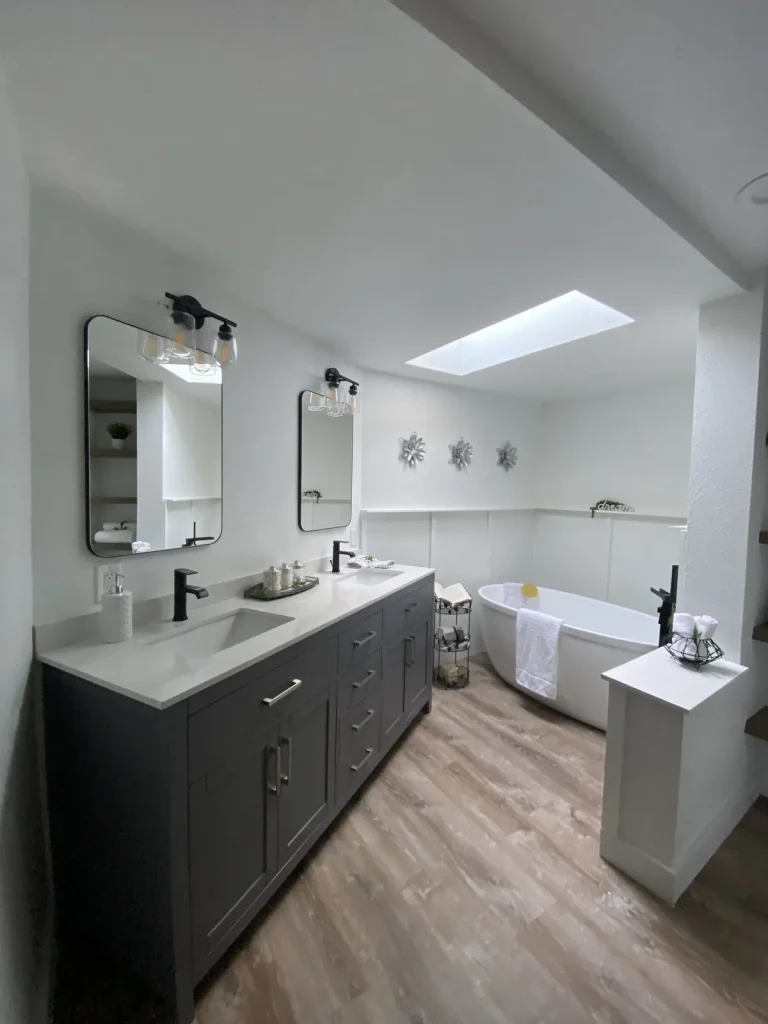
Bathroom Remodel Plumbing
Rough-in to trim day for full renovations, and the natural moment for a valve upgrade.
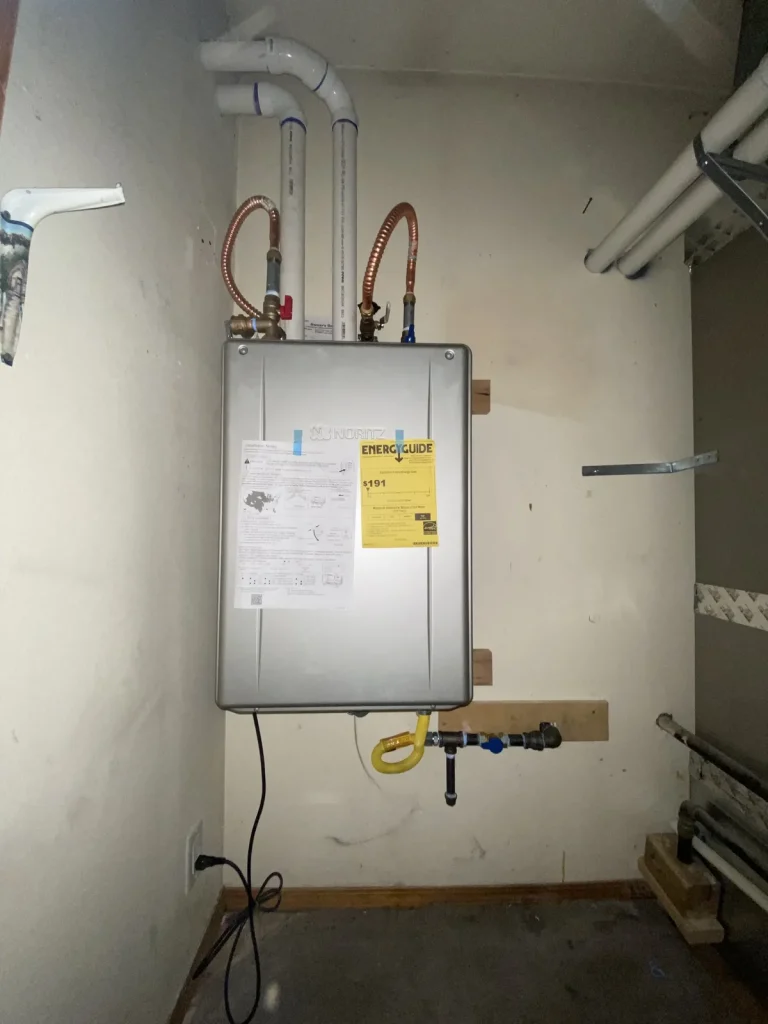
Water Heaters
When the whole house runs lukewarm, the fix is at the tank, not the tile. Honest repair-or-replace calls.
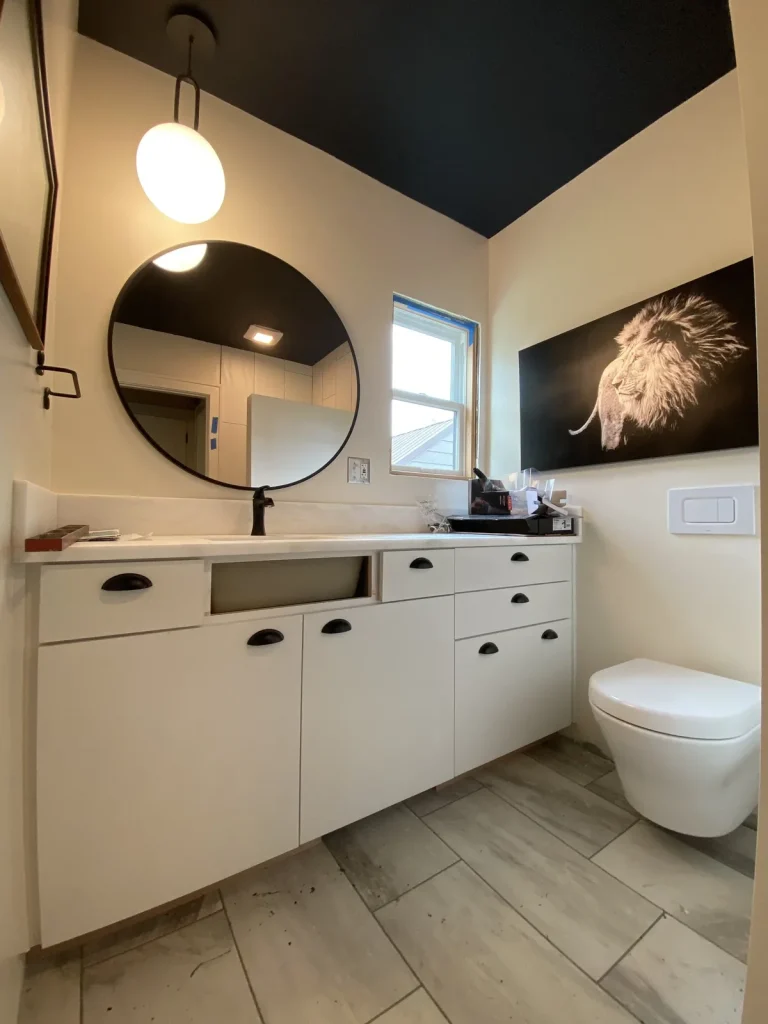
Toilet Installation & Repair
Running tanks silenced, tired toilets swapped, and wall-hung Toto systems set level and sealed.
Project Gallery
Finished showers and bathrooms from real east-metro projects, photographed by our own crew.