
Backflow preventers, installed to spec.
Every sprinkler system and every residential fire line is a spot where your drinking water meets water you would never drink. A backflow preventer is the brass guarantee the two never trade places. Panda Plumbing installs, replaces, and relocates these assemblies across Portland’s east side: set level, valved for easy service, protected from frost, and left ready for the certified tester who checks it each year.
Water should only ever flow one way.
City water is meant to be a one-way street. Pressure from the main pushes clean water toward your taps, and as long as that pressure holds, nothing can travel against it. A cross-connection is any point where your plumbing touches water that should never reach a faucet: the standing water in a buried sprinkler zone, or the stagnant charge that sits inside a fire sprinkler line for years at a time.
The risk arrives the moment street pressure collapses. A main break a few blocks over, or a hydrant flowing hard, can drop neighborhood pressure in seconds, and for those few minutes your service line becomes a straw pulling in the wrong direction. Without a mechanical backstop, water that has been steeping in soil and fertilizer can siphon back toward the pipes that feed your kitchen, and in a bad enough event, toward the public main itself.
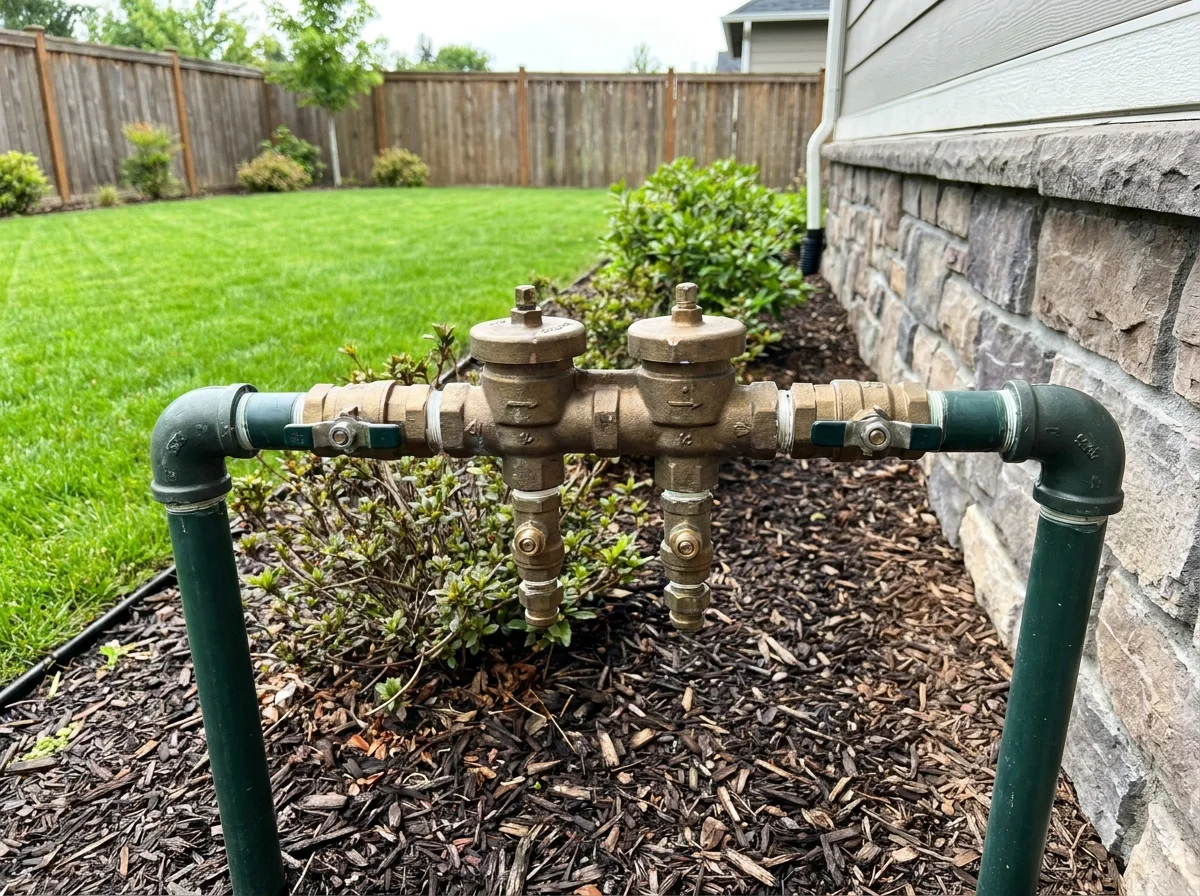
That is why the Portland Water Bureau, like the other water providers across our east-metro service area, requires an approved backflow prevention assembly on certain connections, and in-ground irrigation is the most common residential case by far. For most sprinkler systems the approved device is a double check valve assembly, the DCVA: two independent check valves in one housing, either of which can stop a reversal on its own. Backflow preventer installation is licensed plumbing work, and we scope it, price it, and finish it with the same discipline we bring to our biggest projects.
Lawn irrigation systems
The classic residential case. Sprinkler zones hold water that has been sitting in soil and fertilizer, so an approved assembly is required where the irrigation line tees off your supply.
Residential fire lines
Water in a home fire sprinkler line can sit untouched for years. A dedicated assembly keeps that stagnant charge sealed off from the water your household actually uses.
How a reversal starts
A main break or a hard-flowing hydrant drops street pressure without warning. Anything your plumbing is connected to can begin to siphon backward within seconds.
Two checks, one housing
A DCVA stacks two spring-loaded check valves in series. If the first ever sticks or wears out, the second is already holding the line.
Every assembly we set includes
- An approved assembly matched to the connection it protects
- Isolation valves on both sides, so future service never takes down the whole house
- Frost planning matched to the site: depth, drainage, or an insulated enclosure
- A level, uncluttered box with clear access to the test ports
- An exact, guaranteed price in writing before the work begins
- An exact 30-minute arrival slot, backed by the No-Window Guarantee
New installs, failed swaps, and smarter locations.
Some backflow work is brand new: a first irrigation system going in, or an older one that turns out to have been plumbed without protection somewhere along the way. Double check valve installation starts with placing the assembly at the right point, where the protected line leaves your domestic supply. From there it is craft: unions for clean future swaps, isolation valves on both sides, everything set level with room to work around it. On ground-up homes and ADUs, the protection is designed in from the first drawing as part of our new construction plumbing.
Just as often, the call starts with a failed annual test. Check valves foul with grit and mineral scale, springs weaken, and plenty of older assemblies are obsolete models with no parts support left. When a tester writes yours up, we handle the backflow device replacement: a current approved assembly swapped in cleanly, with shutoffs and test ports positioned so the retest takes minutes instead of an afternoon.
Placement gets genuine thought, because east-metro winters bite just often enough to matter. An assembly that traps water through a cold snap can crack its housing, so frost protection is planned into every job: proper depth and drainage for in-ground valve boxes, insulated enclosures for anything above grade. And because the assembly usually lives near your main shutoff, it is a natural moment for neighboring valve work. If street pressure runs high, a pressure reducing valve can go in on the same visit, and if the service line itself is on its way out, we replace main water lines trenchless and reconnect the irrigation tee properly while we are there.
Some assemblies simply live in the wrong place: swallowed by a decade of shrubs, tucked under a deck, or sitting in a box that floods every November. Relocating one to somewhere level, dry, and reachable turns every future visit into a five-minute stop instead of a small excavation.
We install and replace. Certified testers handle the annual test.
Oregon’s drinking water rules require backflow assemblies to be tested once a year, and that annual test is its own specialty. It is performed by state-certified backflow testers using calibrated gauge kits, not by the plumber who installed the assembly. So we stay in our lane: Panda Plumbing installs, replaces, and relocates assemblies, and when your annual notice arrives we are glad to point you toward certified local testers. If the result comes back failed, that is where we step back in. We replace the failed assembly, and your tester verifies that the new one passes.
Backflow basics, before the city letter arrives.
Do I need a backflow preventer for my sprinklers?
What is a double check valve assembly?
My test failed. Now what?
Where should the assembly be located?
More questions? Browse every answer on our FAQ page.
Work that lives on the same pipes
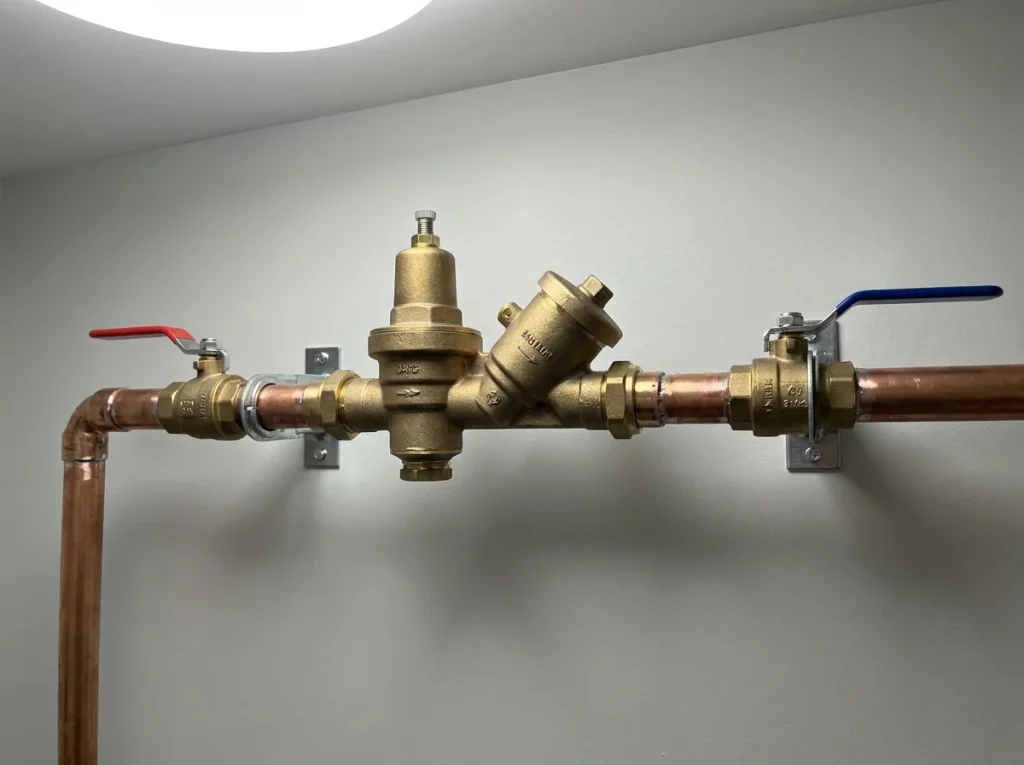
Pressure Reducing Valves
High street pressure quietly wears out fixtures, hoses, and heaters. We install and set PRVs to keep the whole house in a safe range.
Main Water Line Replacement
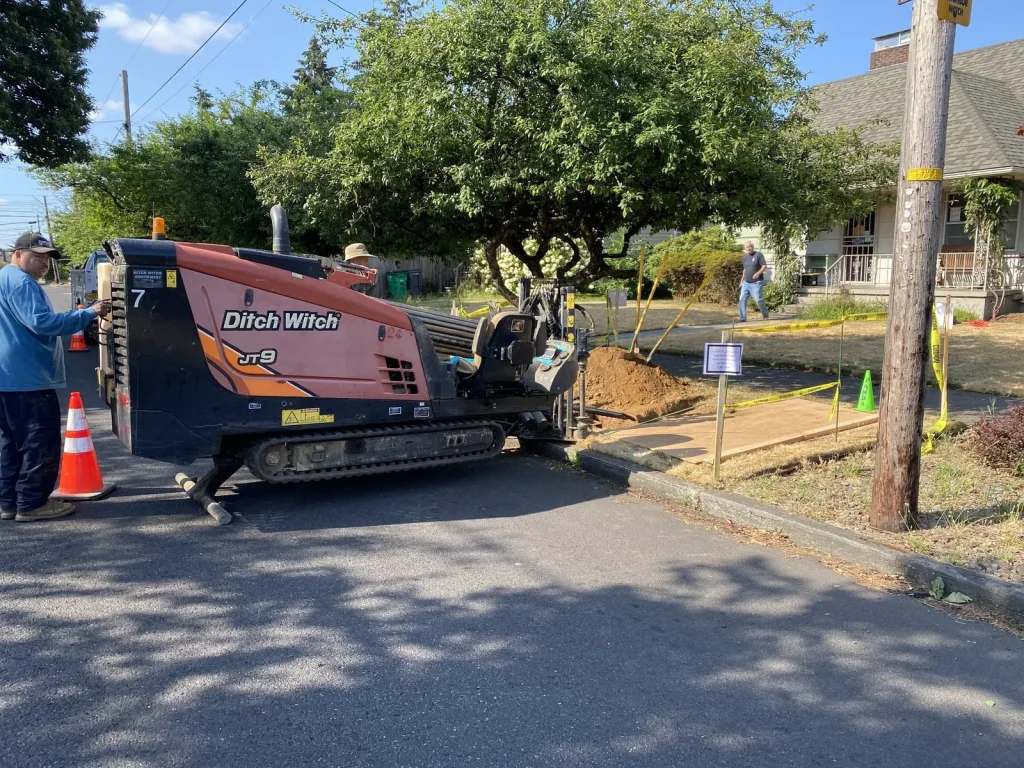
A failing service line, replaced trenchless with our own boring rig. The lawn and driveway stay exactly as we found them.
New Construction Plumbing
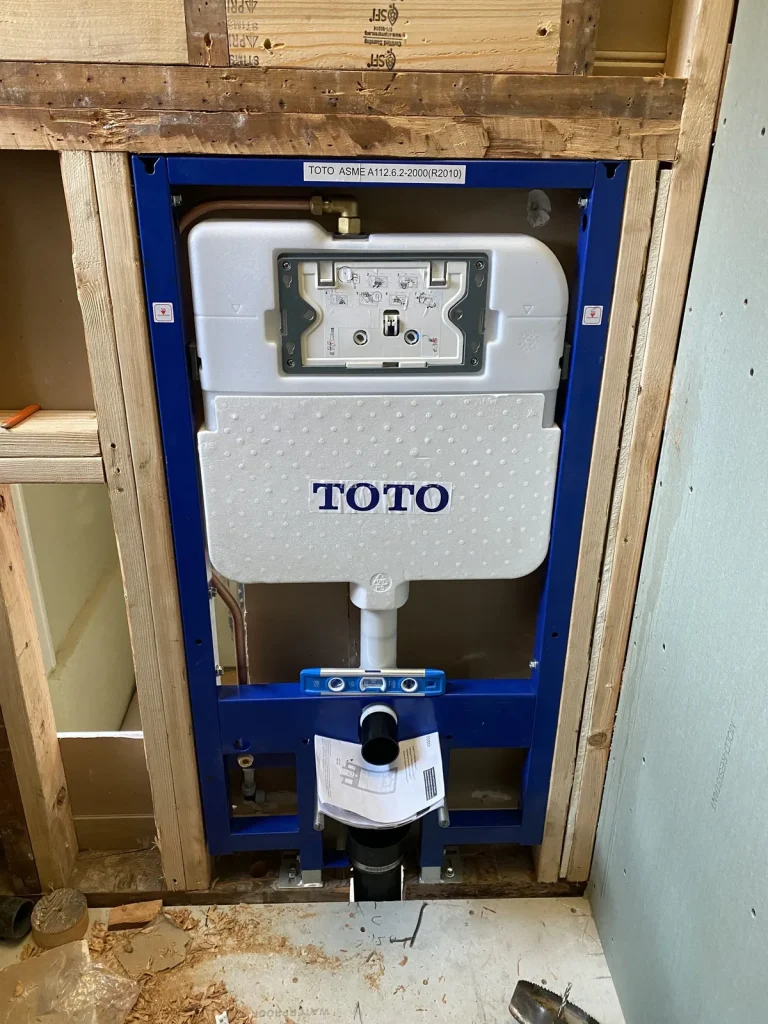
Ground-up homes and ADUs plumbed from rough-in to trim, with backflow protection designed in from day one.
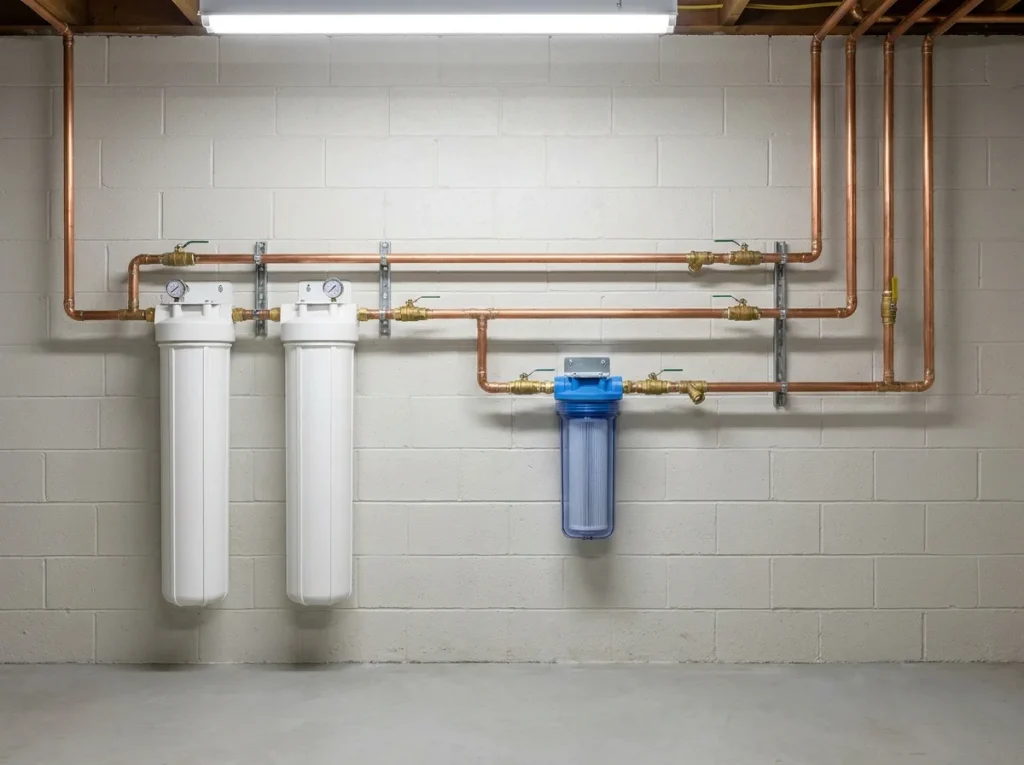
Water Filtration
Whole-house systems sized honestly for your water, installed with bypasses and isolation valves so filter changes stay simple.